Thinking about selling in the Triangle and wondering when to hit the market for the strongest results? You’re not alone. Timing can shape your sale price, days on market, and stress level. In this guide, you’ll learn how Triangle seasonality works, what local market metrics actually mean, and a simple 60–90 day prep plan you can follow in Placeholder Neighborhood. Let’s dive in.
What “best time” really means
You have options. Spring brings the largest buyer pool and often the shortest days on market. Late summer and early fall offer a second chance with motivated buyers and often less competition. Winter is quieter but can reward you with serious buyers and faster, focused negotiations.
Seasonality is a helpful guide, but it isn’t the whole story. Inventory, mortgage rates, and local employment news can shift the ideal timing in any given year. The smartest move is to use the calendar plus current neighborhood metrics before you pick your list date.
Triangle seasonality at a glance
- Early spring (late Feb to April)
- Buyers return after winter with plans for spring and summer moves. Curb appeal improves as landscaping blooms. Expect higher traffic and shorter days on market.
- Late spring to early summer (May to July)
- Families and relocations are active. Demand stays strong, and competitive scenarios are common in tight markets.
- Late summer to early fall (August to October)
- A second wave of buyers appears after summer. Inventory often dips, which can help you stand out.
- Late fall to winter (November to January)
- Fewer showings overall, but active buyers are often serious. With lower listing competition, you can still achieve strong outcomes.
Placeholder Neighborhood nuances
Every micro-market behaves a little differently. Proximity to major employers and universities can create spring and summer spikes from relocations and academic cycles. Neighborhoods that attract family moves can see intensified activity in spring and early summer, while urban condos may have steadier interest year-round.
What matters most is what is happening on the ground in Placeholder Neighborhood right now. Before you set a date, review the last 12 to 24 months of local data for days on market by month, months’ supply, new listings, and pending sales. If you see buyer traffic rising and supply tightening as spring approaches, that is a clear signal to list sooner.
Use the numbers to pick your week
Key metrics to watch
- Days on market (DOM)
- Measures time from list to contract. Lower DOM signals stronger demand. A steady spring decline is a green light.
- Months’ supply of inventory
- Under 3 months is a seller’s market. Sellers gain leverage when supply is tight, especially in spring.
- List-to-sale price ratio
- Near or above 100 percent indicates competitive bidding and stronger pricing power.
- New listings and pending listings
- If new listings jump faster than pendings, competition is rising. If pendings outpace new listings, demand is winning.
- Buyer traffic indicators
- More online views, scheduled tours, and showing activity are early signs that buyers are gearing up.
Quick decision rules
- If DOM is falling and months’ supply is tightening in late February and March, list early spring.
- If spring inventory surges in Placeholder Neighborhood compared to last year, consider late August to October or adjust pricing and marketing to compete in spring.
- If mortgage rates or major employer news shift, re-check the numbers before finalizing your date.
Recommended listing windows
Late February to May
This is the most broadly effective window in the Triangle for visibility and price potential. Landscaping is coming back to life, photos look great, and buyer traffic is high. If your goal is the best price or multiple-offer potential, this period is usually your first choice, especially when months’ supply is low.
Mid April to July for summer closings
If you want to close before the new school year or a summer relocation, list in April or May. This gives time for showings, offers, inspections, and a clean closing window. Build a buffer in case repairs or appraisal adjustments are needed.
Late August to October for balance
Buyers who paused earlier in the year often return with fresh urgency. Inventory often dips, which can help you stand out. You may see fewer total showings than spring, but the audience is motivated.
November to January for less competition
Winter brings fewer active buyers but the ones in the market are often serious about moving. With fewer competing listings, your home can stand out. Commit to high-quality photos, strong indoor staging, and perhaps twilight shots to offset shorter daylight and seasonal curb appeal.
Tactical timing details
- Day of week: Many agents prefer Wednesday or Thursday so the listing builds exposure going into the weekend. This often boosts showings and early offers.
- Time of day: Go live early in the morning so your home is indexed and visible when buyers start searching.
60–90 day pre-market plan
Use this plan to work backward from your ideal list week. Adjust based on your goals and the season you choose.
Days 0–7: Decisions and planning
- Meet with your agent to review Placeholder Neighborhood metrics and set a target list date.
- Clarify your goals: price, speed, and closing timing.
- Review neighborhood comps and outline a pricing strategy.
- Gather HOA documents if applicable and confirm required North Carolina disclosure forms.
- Schedule a pre-listing walkthrough to identify repairs and staging needs.
Days 7–21: Repairs and permits
- Prioritize repairs that affect buyer confidence: roof, HVAC, plumbing, electrical, water intrusion, and structural items.
- Complete cosmetic refreshes with strong ROI: neutral paint, hardware updates, caulk and grout, lighting upgrades.
- Start permits early if needed. Timelines vary by municipality.
- Consider a pre-listing inspection to surface issues you can fix or disclose.
Days 21–35: Staging and decluttering
- Deep clean the entire home, including carpets, windows, and gutters.
- Declutter to show space. Pre-pack extra furniture, personal items, and keepsakes.
- Stage key spaces to highlight flow and light. Focus on living areas, kitchen, and primary bedroom.
- Tidy landscaping, add fresh mulch, prune shrubs, and power wash exterior surfaces.
- Test major systems and appliances. Ensure AC performs well before summer showings.
Days 35–50: Visuals and pre-marketing
- Book a professional photographer. Plan exterior shots around blooms or leaf conditions when possible.
- Consider twilight photos, drone images where permitted, floorplans, or a 3D tour if budget allows.
- Finalize marketing copy that highlights features and nearby amenities.
- Order signage and lockbox. Set clear showing instructions.
Days 50–60: Final staging and soft launch
- Finish staging and lighting adjustments. Add fresh greenery where helpful.
- Do a last walkthrough to check paint touch-ups, hardware, and cleanliness.
- If using a coming soon approach, confirm your MLS compliance before promoting.
- Confirm showing windows and, if useful, plan a broker open or virtual tour.
Days 60–66: Photos, list, and launch
- Approve photos and listing copy.
- Go live midweek at an early hour.
- Syndicate across platforms and tap targeted social, email, and local agent networks.
First 2–4 weeks on market
- Monitor showing feedback. Adjust staging or price if you see recurring themes.
- Keep the home show-ready daily.
- Consider open houses and targeted broker tours in the first two weeks for maximum exposure.
Staging and photography checklist
Interior
- Clear counters and shelves. Hide cords and personal items.
- Use neutral colors and soft, natural scents.
- Make beds, fluff pillows, and brighten rooms with lamps if needed.
- Kitchens and baths should be spotless. Store small appliances and toiletries.
- Remove pet items and address any odors.
Exterior
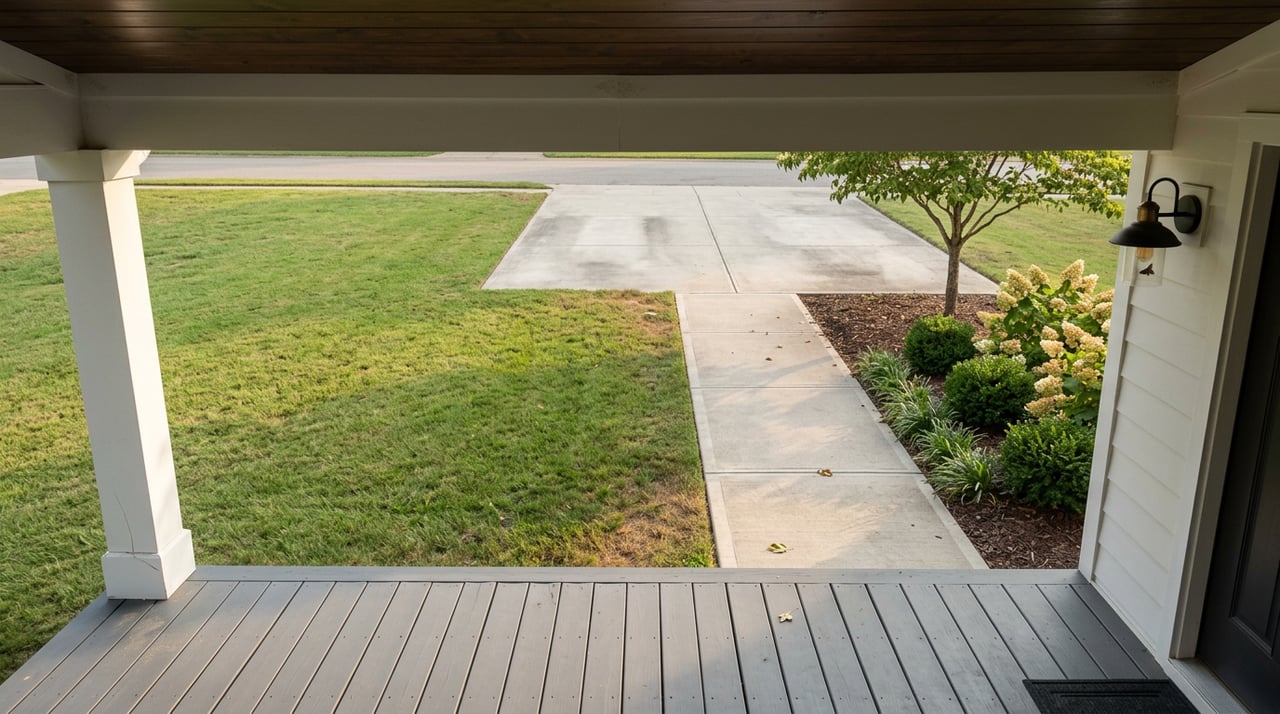
- Mow, edge, weed, and add fresh mulch.
- Clean the front door and porch. Add tasteful potted plants if helpful.
- Check exterior lights and touch up peeling paint.
Photography
- Aim for a bright day with even light. Avoid harsh midday shadows when possible.
- Schedule both daytime and twilight shoots for variety.
- Provide a room list and notes so the photographer captures key features and amenities.
Legal and transactional prep in North Carolina
- Complete required state and local disclosures with your agent and attorney as needed.
- Gather HOA or POA documents, covenants, and fee schedules.
- Prepare recent utility bills and property tax records for buyer review.
- Locate a survey if available and consult title services on any recorded encumbrances.
- For homes built before 1978, complete federal lead-based paint disclosures.
- Coordinate with your North Carolina real estate attorney for closing practices and compliance.
Putting it together for your goals
If your top priority is the best sale price, plan for a spring list date and make sure your neighborhood metrics confirm strong demand. If you need a summer closing, target an April or May launch. If you value less competition, consider late fall or winter and invest in standout visuals and staging.
You do not have to figure this out alone. As an owner-operated Triangle brokerage, DDR Realty pairs neighborhood-level data with hands-on guidance that fits your timeline and situation. If you are in Placeholder Neighborhood and want a tailored plan, connect with Eric Rainey for a free consultation.
FAQs
When is the best month to list a home in the Triangle?
- Spring, especially late February through May, often delivers the largest buyer pool and shorter days on market, assuming local inventory is not unusually high.
How do I time a summer closing in Placeholder Neighborhood?
- List in April or May to allow time for showings, offers, inspections, and closing logistics before the new school year and summer moves.
Is winter a bad time to sell in Raleigh–Durham–Chapel Hill?
- Not necessarily. Winter has fewer buyers, but those who are active tend to be serious, and lower listing competition can help you stand out.
Which market metrics matter most before choosing a list date?
- Focus on days on market by month, months’ supply, new listings vs. pendings, and list-to-sale price ratio for your specific neighborhood.
What is the best day of the week to list my home?
- Many agents choose Wednesday or Thursday to build exposure before weekend showings. Plan an early morning go-live for maximum visibility.
How far in advance should I start prepping my home to sell?
- Start 60 to 90 days before your target list date to handle repairs, staging, photography, and marketing without rushing.