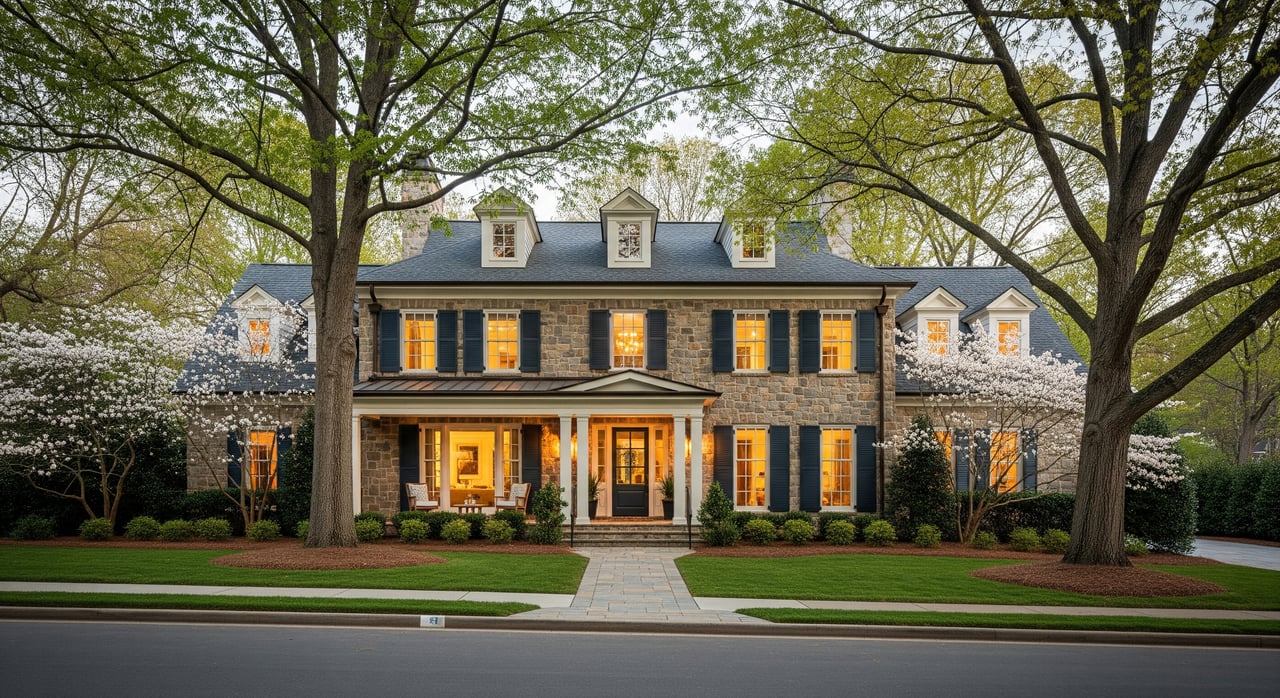
Heard great things about “Placeholder Neighborhood” in North Carolina but can’t find it on a map? You’re not alone. Many Triangle relocators hear informal neighborhood names from friends or listings and want a clear picture of daily life, commute, schools, and home options. In this guide, you’ll learn a practical, data-first process to define the area, verify what matters, and decide if the neighborhood fits your goals. Let’s dive in.
Start with clear boundaries
Informal names can mean different things to different people. Before you compare homes or commutes, define the neighborhood you’re evaluating.
- Identify a practical boundary. Use obvious edges like major roads, greenways, or commercial corridors as a starting box.
- Cross-check with official maps. Align your working boundary with city or county GIS layers and any known HOA or subdivision limits.
- Confirm with MLS search areas. Ask your agent to pull a map-based search that matches the boundary you agree on.
- Keep a written note. Save your boundary description so every comparison you make uses the same footprint.
Homes and housing types
Once your boundary is set, you can evaluate what living there might look like day to day.
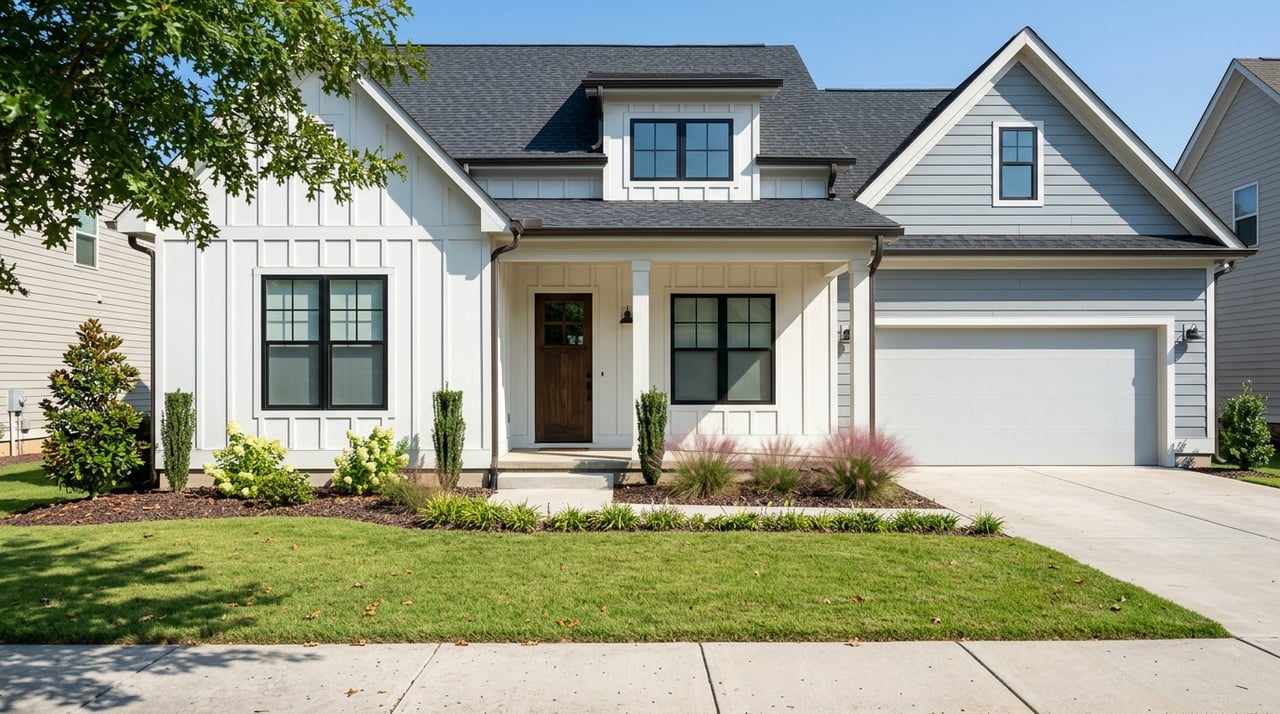
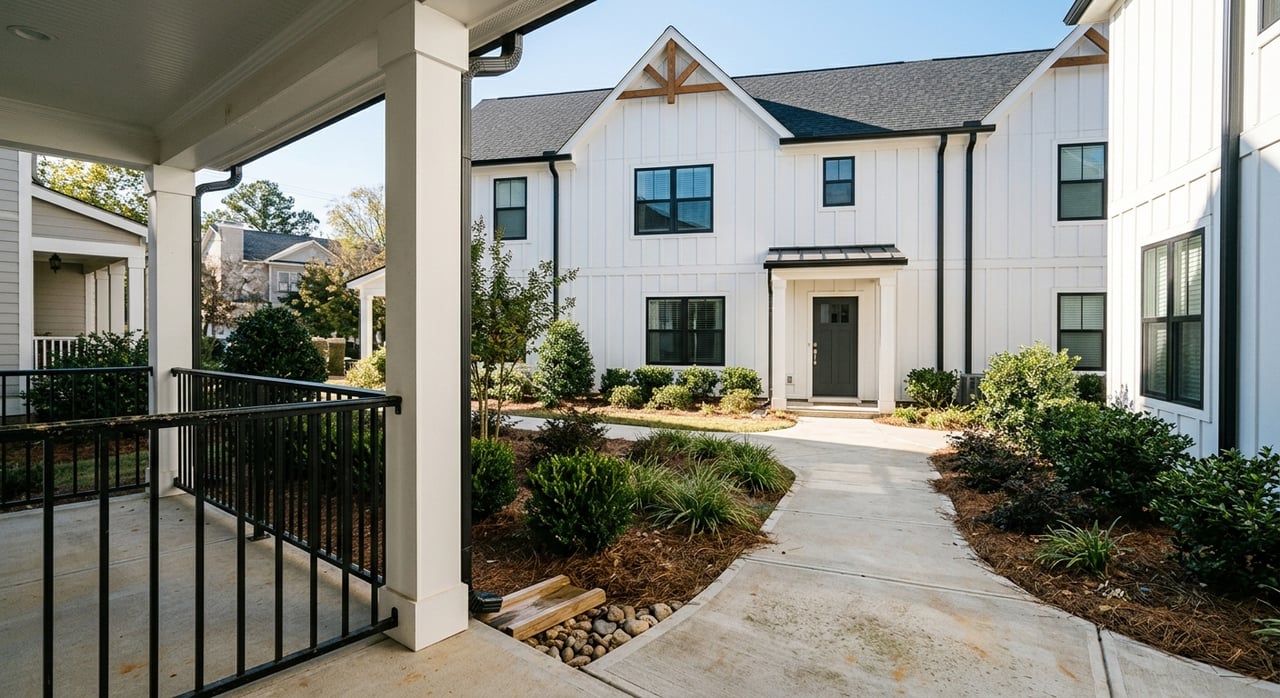
- Housing mix. Note the balance of single-family homes, townhomes, condos, and apartments within your defined area.
- Age and style. Walk or drive several blocks to observe typical build eras and architectural styles, from newer infill to mature streets with larger trees.
- Lot sizes and density. Look for patterns in yard size, driveway configurations, and setbacks to understand privacy and spacing.
- Renovation vs. new build. Note whether homes tend to be updated or if new construction is present. Ask your agent to verify year-built clusters from public records.
- HOA presence. If HOAs are common, request copies of covenants and typical fee ranges, then review rules on parking, fencing, rentals, and exterior changes.
Pro tip: Create a “must-have” list that includes square footage range, bedroom count, yard preference, and whether you’re comfortable with HOA rules.
Daily life and conveniences
The right home also needs the right everyday support. Map your basics within the boundary you defined.
- Groceries and essentials. Identify nearby supermarkets, pharmacies, and quick-service options for weeknight meals.
- Coffee and restaurants. Note a few spots you can reach in 10 minutes or less based on typical traffic in your area.
- Parks and greenways. Look for playgrounds, open fields, dog-friendly areas, and trail connections for walking or biking.
- Healthcare. Locate urgent care centers, primary-care clinics, and hospital systems that serve your area.
- Walkability and lighting. Check for sidewalks, crosswalks, bike lanes, and street lighting. Note any gaps or busy crossings.
Pro tip: Visit at two times on the same day. A quiet morning can look different from an evening with active sports fields or dinner rush traffic.
Commute and transportation
In the Triangle, commute patterns can vary by just a few miles. Get hands-on with your testing.
- Test drive times. Drive your route to your job center during peak hours to see realistic times, not just map estimates.
- Major corridors. Assess how quickly you can reach primary routes like interstates and US highways that connect to Raleigh, Cary, Durham, and RTP.
- Public transit options. Identify local bus stops, park-and-ride lots, and frequency patterns that may serve your commute.
- Airport access. Time an off-peak and a peak-hour trip to the airport so you know what to expect for early flights or rush-hour runs.
Pro tip: Keep a simple log of two or three test runs, then compare against your tolerance for daily travel.
Schools and youth programs
If schools or childcare matter to you, verify assignments and options before you decide on a home.
- School assignment. Use the local district’s boundary tools to identify the public elementary, middle, and high schools that serve your defined area.
- Report cards and programs. Review official state school report cards for performance snapshots and look for special programs such as magnet, STEM, arts, or IB.
- Private and charter options. Map nearby alternatives and note application timelines and transportation options.
- Early childhood. Check local childcare resource and referral listings to learn about capacity, waitlists, and hours.
Pro tip: Drive the school commute at start time one weekday to evaluate traffic flow, car line logistics, and bus stop placements.
Community feel and safety
To understand the neighborhood’s culture and safety picture, focus on verified sources and face-to-face impressions.
- Community groups. Look for neighborhood associations, HOAs, civic clubs, and faith organizations hosting events or volunteer days.
- Public safety data. Review official police department crime maps and recent reports to see trends in both property and violent crime.
- Street-level observations. Walk at dusk to gauge lighting and activity. Note whether sidewalks are busy, empty, or under construction.
- Talk to locals. If you can, chat with a shop owner or a neighbor about everyday rhythms like dog-walking hours or weekend park usage.
Pro tip: Balance anecdotes with official data. A single story can be helpful context, but trends come from verified reports.
Practical homeowner considerations
Before you get serious about an offer, double-check the ownership details that can affect your budget and long-term plans.
- Property taxes. Confirm both county and municipal rates for your specific parcel and ask your agent for examples of recent tax bills in the area.
- Zoning and development. Review city or county planning portals for pending rezonings, new subdivisions, and capital projects that could change traffic or views.
- Flood and environmental risks. Check FEMA flood maps and local stormwater resources to understand any constraints or insurance needs.
- Utilities and providers. Identify the water and sewer provider, electric service, and internet options along with typical setup timelines.
- Covenants and permits. If you plan to add a fence, shed, or accessory dwelling, read HOA rules and verify permit requirements before you buy.
Pro tip: Ask for a 12-month average of utility costs from the seller if available. It can help you compare homes more realistically.
Pros and cons to weigh
Every neighborhood has tradeoffs. Use this list to keep your evaluation balanced.
Potential upsides
- Clear access to major corridors that shorten regional trips.
- A mix of housing types that supports different budgets and life stages.
- Nearby parks or greenways that make daily exercise easy.
- Active community groups that organize events or improvements.
Common watch-outs
- Peak-hour bottlenecks at a few predictable intersections.
- Sidewalk gaps or limited bike lanes on older streets.
- HOA covenants that restrict exterior changes or parking.
- Planned developments that could increase traffic or construction noise.
Quick checklist for home shoppers
Use this list during your first two visits.
- Map your boundary and save it. Keep your search consistent.
- Walk two representative blocks. Note sidewalks, lighting, maintenance.
- Time two commutes to your top job center. Record departure and arrival.
- Identify your nearest grocery, pharmacy, urgent care, and park.
- Confirm school assignment and review state report cards.
- Review HOA documents and recent meeting notes if applicable.
- Run a flood and zoning check on any home you are considering.
- Ask your agent for MLS stats relevant to your boundary and time frame.
How DDR Realty helps
You deserve guidance that is both human and data-driven. As a boutique Triangle brokerage, DDR Realty pairs hands-on service with MLS-grade tools to help you define your neighborhood footprint, compare real-time listings, and make confident decisions. The team’s specialist credentials support both everyday moves and life-stage transitions, including senior downsizing and probate or estate sales.
Here is how we work with buyers and sellers:
- Boundary-first consultation. We define a shared map of your target area, then pull MLS searches that match it exactly.
- Verified data at your pace. We align home tours with commute tests and amenity stops so you see how daily life really works.
- Clear communication. You get straightforward pros and cons, practical next steps, and steady negotiation guidance.
If you are exploring “Placeholder Neighborhood” or nearby areas, reach out for a local strategy session. You will get clarity, not pressure, and a plan tailored to your goals. Ready to talk it through? Connect with Eric Rainey for a friendly, data-first consult.
FAQs
What does “Placeholder Neighborhood” mean in NC?
- It is an informal name people use locally, so you should define a practical boundary with your agent before comparing homes, commutes, or schools.
How do I estimate home prices without exact stats?
- Ask your agent for MLS sales and active listings within your defined boundary and time window, then compare condition, size, and HOA factors.
How can I test the commute if I am relocating?
- Run two peak-hour drives on separate days if you are visiting, or have your agent record real-world times during typical rush periods for your route.
What is the best way to verify schools?
- Use the local district’s boundary tools to confirm assigned schools for a specific address and review official state school report cards for context.
How do I check safety trends for the area?
- Review official police department crime maps and recent reports, then pair that data with street-level observations at different times of day.
Are there HOAs in the area and what do they cost?
- Many Triangle neighborhoods have HOAs, so request the current covenants and fee details for any property you are considering before making an offer.