July 16, 2026
July 16, 2026
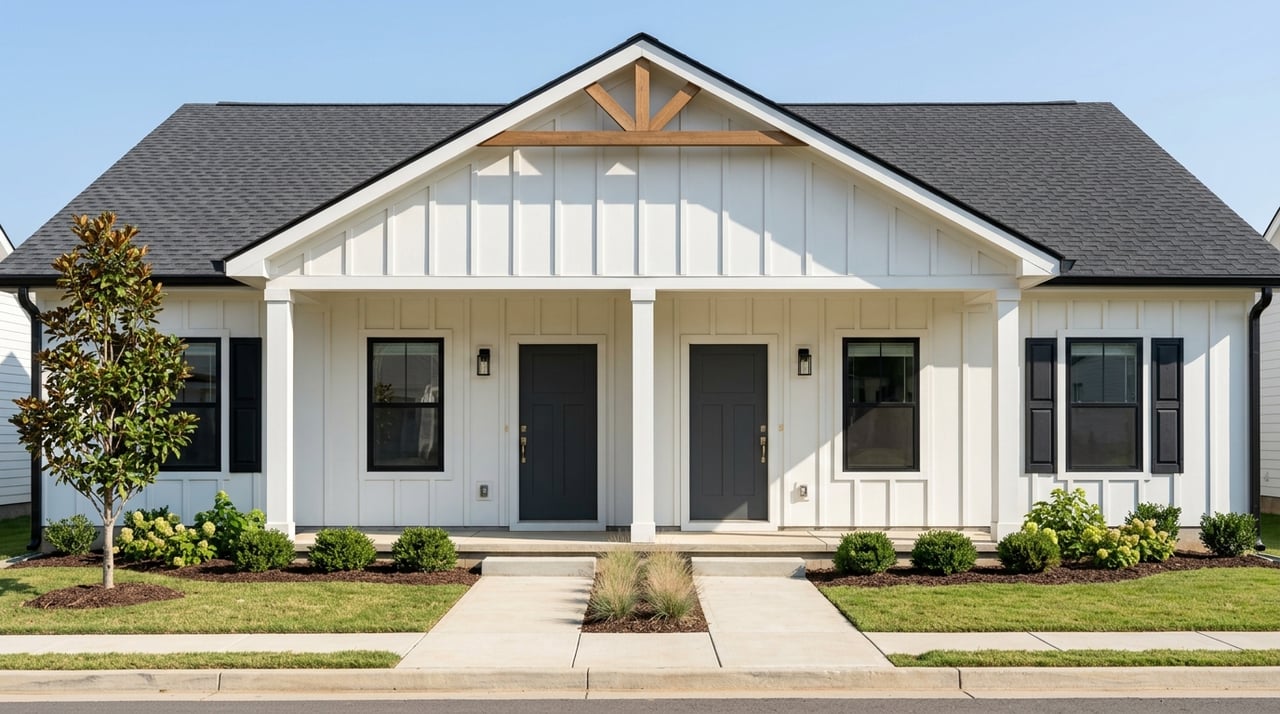
Wondering whether a duplex or a single-family home makes more sense near Placeholder Neighborhood? It is a smart question, especially if you are trying to balance lifestyle, monthly costs, and long-term flexibility in the Triangle. The right choice depends on more than price alone, and a clear side-by-side look can help you avoid costly surprises. Let’s dive in.
A duplex and a single-family home can look similar in an online search, but they do not function the same way once you own them. In the Triangle, the first question is not just what type of property you want. It is whether the specific parcel allows that use under the local zoning rules.
That matters because rules can differ depending on whether the home is inside Raleigh city limits or in unincorporated Wake County. Raleigh uses its own building type and use classifications, and Wake County uses its own definitions and use table. If you are comparing options near Placeholder Neighborhood, the exact lot should come first in your due diligence.
In Raleigh, the zoning map is a legal document, and every parcel has a zoning designation. The city’s allowed-use table then shows whether a use is permitted, limited, special, or not permitted in that district. That means a duplex is not just a style choice. It is a legal-use question tied to a specific parcel.
Wake County treats duplexes, triplexes, and 4-plexes as separate uses, and some districts may allow them by right while others may require special approval. If a property sits outside city limits, you cannot assume the same standards apply. This is one reason local guidance can save you time before you get too far into the buying process.
If you are looking at a duplex near Placeholder Neighborhood, ask these questions early:
These answers shape what you can do now and how easy the property may be to resell later.
If your goal is the simplest ownership experience, a detached single-family home is usually the easier path. You have one household, one routine, and fewer shared systems to coordinate. For many buyers, that means less day-to-day complexity.
A single-family home also tends to appeal to a broad group of future buyers. That broader resale audience can matter if you want flexibility later. If you may move again in a few years, simplicity today can also support simpler resale tomorrow.
This does not mean single-family is always better. It means it is often the lower-complexity option.
A duplex can open the door to rental-offset potential if you live in one unit and rent the other. For some buyers, that can be a practical way to enter the market or lower monthly housing costs. It can also create more flexibility if you want to hold the property over time.
Still, a duplex is closer to a small owner-occupied rental operation than a standard single-family purchase. Even if the building is modest in size, you may be managing repairs, turnover, communication, and screening for another household. That extra coordination is important to understand before you buy.
When you buy a duplex, you may need to think through:
If you are comfortable with those moving parts, a duplex can be a strong fit. If not, a single-family home may better match your lifestyle.
If you plan to live in the property, financing for a 1- to 4-unit home can be possible through programs that allow owner occupancy. FHA loans can be used for 1- to 4-unit properties with a down payment as low as 3.5 percent. Freddie Mac also offers products for 2- to 4-unit owner-occupied primary residences.
Fannie Mae allows rental income from a two- to four-unit primary residence when the borrower occupies one unit, but the lender will usually want documentation. That can include lease copies or market-rent support, and the occupied unit is treated differently from the rent-producing unit. In short, buying a duplex can be very doable, but the paperwork is often more document-driven than a standard single-family purchase.
Before you choose a duplex over a single-family home, ask your lender:
Clear answers here can help you compare your real buying power across property types.
The purchase price is only one part of the monthly picture. A duplex or triplex can have different cost drivers because of parking needs, paving, and building layout. Those factors can affect both your use of the property and your ongoing expenses.
Wake County’s parking standards require two spaces per dwelling unit for duplexes and 1.5 spaces per unit for triplexes or 4-plexes. That means lot shape, driveway size, and yard layout can matter more for small multifamily than for a detached house. A property that looks good on paper may feel tighter once you account for parking and circulation.
In Raleigh, stormwater fees are tied to impervious surface, and the city lists multi-family properties under the commercial rate schedule. More roof area, paving, or driveway space can affect how a property carries over time. Property taxes in North Carolina are also assessed and collected locally by counties, so total carrying cost depends on the local jurisdiction as well as the property itself.
Your decision does not happen in a vacuum. Market conditions influence how much negotiating room you may have and how fast you need to act. In May 2026, the Triangle-wide median sales price was $425,000 and median days on market were 19.
The same report showed Raleigh at a median sale price of $424,746 with 34 days on market, while Cary was more competitive at $629,623 with 22 days on market. RRAR described 2026 as a more balanced market with rising inventory and buyers taking more time. For you, that may mean more room to compare a duplex and a single-family property carefully instead of rushing into the first workable option.
The best choice comes down to how you want to live, what you want your budget to do, and how much complexity you are ready to manage. A single-family home usually works well if you want a straightforward ownership experience and broad resale appeal. A duplex may be worth a closer look if rental income could help you meet your goals and you are ready for more moving parts.
| If you value... | Single-family may fit better | Duplex may fit better |
|---|---|---|
| Simplicity | Yes | Not usually |
| Rental-offset potential | No | Yes |
| Easier day-to-day management | Yes | Not usually |
| More document-heavy financing | Less likely | More likely |
| Shared systems and occupants | No | Yes |
| Broad resale audience | Often | Can vary by property |
Neither option is automatically right or wrong. The better choice is the one that fits your finances, comfort level, and plans for the property.
If you are comparing duplex and single-family options near Placeholder Neighborhood, the smartest move is to narrow your search based on parcel-level facts. Confirm the property location, zoning, use permissions, likely financing path, and expected carrying costs before you decide what is a deal and what is a headache. That kind of practical review can save you money and stress.
At DDR Realty, the goal is to help you sort through those details in plain English so you can make a confident decision. If you want hands-on guidance as you compare property types in the Triangle, reach out to Eric Rainey for a free consultation.
DDR Realty are dedicated to helping you find your dream home and assisting with any selling needs you may have. Contact us today to start your home searching journey!