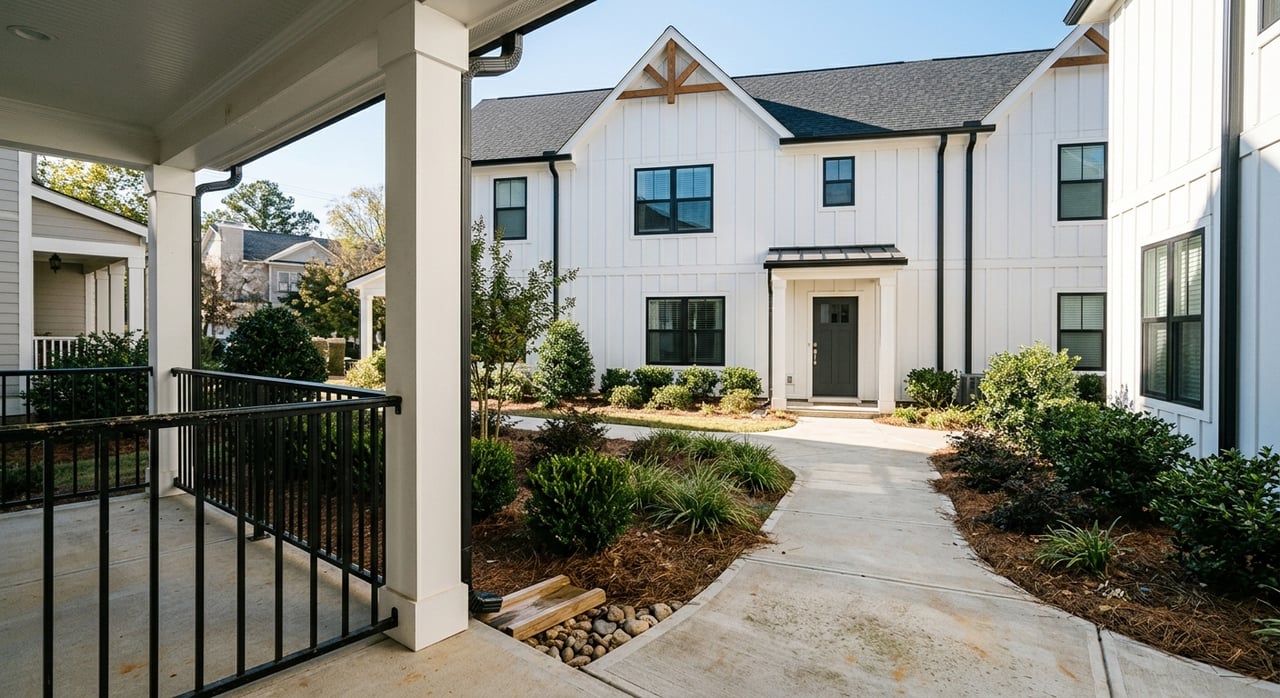
HOA Living in Placeholder Neighborhood: Key Things to Know
April 23, 2026
April 23, 2026
Wondering whether HOA living in Placeholder Neighborhood is a smart fit for your next move? If you are exploring homes in an HOA community, it is important to look beyond the listing photos and monthly payment estimate. Understanding how HOA fees, rules, maintenance, and disclosures work in North Carolina can help you make a more confident decision before you buy. Let’s dive in.
In North Carolina, homeowners associations are usually nonprofit corporations that help manage a community through recorded declarations, bylaws, and rules. For many townhome and single-family communities, the main law is the North Carolina Planned Community Act, while condominiums are covered by a separate state law.
In practical terms, buying into an HOA community usually means you agree to pay dues and follow the association’s governing documents. Those funds may support shared expenses, common areas, and other community obligations, depending on the specific neighborhood documents.
One of the biggest misunderstandings buyers have is how HOA dues fit into their monthly housing budget. According to the Consumer Financial Protection Bureau, HOA dues are usually not included in your mortgage payment and are generally paid directly to the association.
That means dues are an extra recurring cost on top of your mortgage, property taxes, homeowners insurance, and regular home upkeep. CFPB also notes that dues can range from a few hundred dollars a month to more than $1,000 a month, so it is worth confirming the exact amount early in your home search.
What your dues cover can vary a lot from one community to another. Under North Carolina law, associations can adopt budgets, collect assessments, and handle common expenses, and they are generally responsible for maintaining common elements unless the declaration says otherwise.
That does not mean every HOA covers the same things. Before you assume a fee includes landscaping, exterior maintenance, insurance, or amenities, review the community documents and current budget to see what is actually covered.
Living in an HOA also means living under a shared set of rules. In North Carolina, associations may adopt and amend bylaws, rules, and budgets, so buyers should read the governing documents carefully to understand how the community operates.
State law also gives HOAs enforcement tools. Under the Planned Community Act, associations may charge late fees capped at the greater of $20 per month or 10% of an unpaid installment, and after notice and an opportunity to be heard, they may suspend certain association privileges or services.
For some violations, the association may also impose fines of up to $100 per day after notice and a hearing process. Unpaid assessments can become a lien after 30 days, and if the balance remains unpaid long enough, the HOA may pursue foreclosure through the statutory process.
Another important question is what happens if there is damage to shared property or common areas. North Carolina law requires associations to maintain certain insurance for common elements, including property and liability coverage, to the extent reasonably available.
If a loss is larger than available insurance proceeds and reserves, the extra amount can be treated as a common expense. That is one reason it is smart to review the association’s budget, reserves, and insurance responsibilities before moving forward on a purchase.
If you are considering a home in Placeholder Neighborhood, due diligence matters. North Carolina requires sellers to provide an owners’ association and mandatory covenants disclosure statement before the buyer makes an offer, and the form includes key details such as regular dues, services covered by dues, approved special assessments, transfer fees, and certain pending legal matters.
You can review the statutory disclosure requirements in Chapter 47E of the North Carolina General Statutes. If the required disclosure is not delivered on time, the buyer may have a statutory right to cancel within the allowed time window.
The disclosure form is only the starting point. Buyers should also ask for the documents that show how the association actually functions day to day.
A strong review package should include:
Under North Carolina HOA record requirements, associations must keep financial and meeting records reasonably available for owners. They must also provide an annual income and expense statement and balance sheet within 75 days after the fiscal year ends, and they must provide a written statement of unpaid assessments within 10 business days of request.
Once you have the documents, the next step is knowing what to look for. A few practical questions can help you understand whether the HOA is financially stable and whether the rules fit your lifestyle.
Ask questions like:
These questions can help you move from general interest to real clarity. They also make it easier to compare one HOA community with another.
Even when the documents are available, HOA paperwork can feel dense and easy to misread. The CFPB recommends building a network of trusted advisors and using inspection contingencies so you have room to step back if serious issues come up.
North Carolina guidance also makes clear that the disclosure form is not a warranty and should not replace a thorough home inspection. If you need help interpreting neighborhood documents, a local real estate agent and, when appropriate, a real estate attorney can help you understand what the paperwork means for your specific purchase.
An HOA is not automatically a positive or a negative. It is simply part of the ownership structure, and the right fit depends on your budget, preferences, and comfort with shared rules and expenses.
If you are exploring Placeholder Neighborhood homes, the key is to stay curious and review the details early. When you understand the dues, the documents, the maintenance responsibilities, and the enforcement process, you can make a much more informed choice.
If you want help evaluating HOA communities, comparing homes, or reviewing what to ask before you submit an offer, Eric Rainey can help you move forward with clear, practical guidance.



DDR Realty are dedicated to helping you find your dream home and assisting with any selling needs you may have. Contact us today to start your home searching journey!