Year-Round Home Maintenance Tips for Placeholder Neighborhood
April 16, 2026
April 16, 2026
If you own a home in the Triangle, seasonal maintenance is not just a nice idea. It is one of the simplest ways to protect your property, avoid bigger repair bills, and keep your home ready for everyday comfort or a future sale. In a Raleigh-Durham climate with hot, humid summers, frequent thunderstorms, and late-fall frost risk, a smart year-round plan can help you stay ahead of moisture, drainage, and HVAC issues. Let’s dive in.
In central North Carolina, your home deals with a little bit of everything. Raleigh-Durham weather includes hot summers, humid conditions, strong storms, and cooler winter stretches, with average annual precipitation of 46.07 inches and wetter periods in summer and early fall, according to NOAA climate normals.
That mix can wear on roofs, gutters, siding, crawlspaces, and HVAC systems over time. NC State Extension recommends inspecting your home at least every six months, and even quarterly if possible, to catch small problems before they grow.
For homeowners thinking about resale, regular upkeep matters even more. Clean gutters, intact caulk and paint, dry crawlspaces, and a fresh-smelling HVAC system all help support a home’s condition and presentation.
Spring is the time to check for winter wear and get ahead of cooling season. Since the Raleigh area’s recent 30-year average last spring freeze is April 3, it makes sense to wait until early April or later for certain freeze-sensitive exterior tasks, based on North Carolina frost and freeze data.
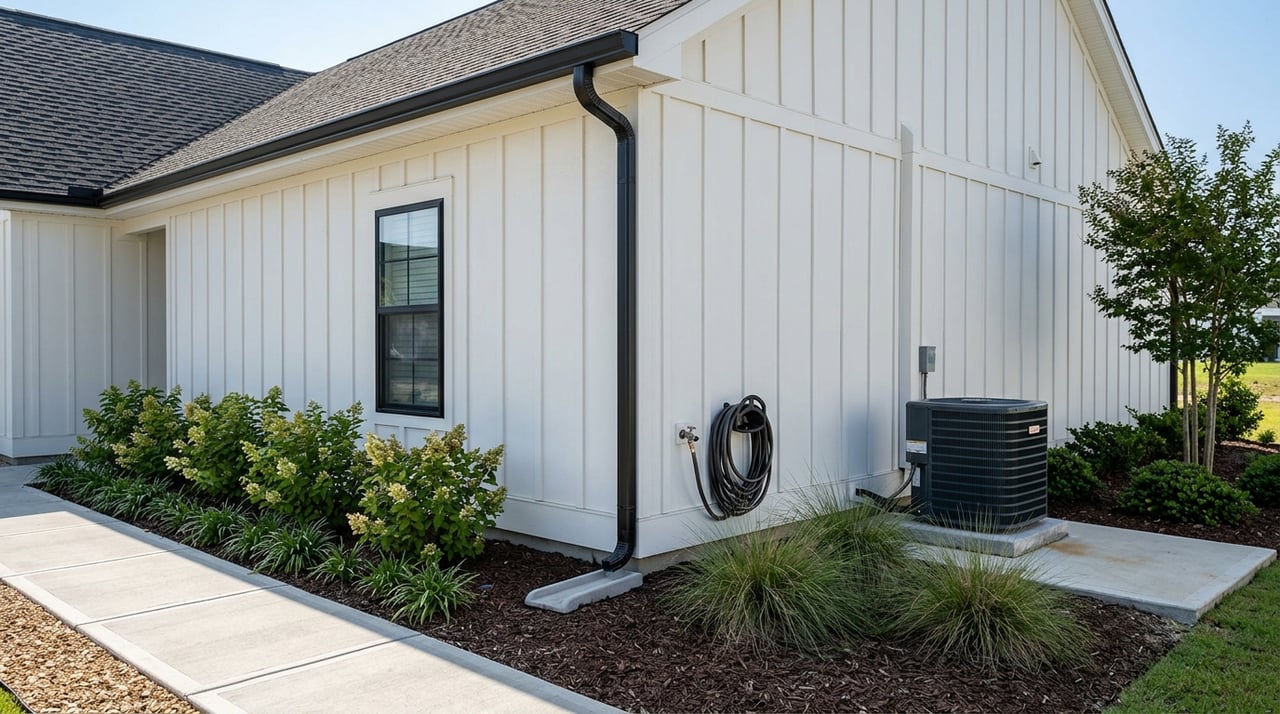
Start with the outside of your home. Look for loose shingles, damaged flashing, clogged gutters, and downspouts that do not carry water away from the foundation.
NC State also recommends checking whether the ground slopes away from the house. Good drainage helps reduce the chance of water pooling near the foundation or finding its way into a crawlspace or basement.
Spring is a good time to look for damp spots under the home or in lower-level storage areas. The EPA notes that moisture control is key to reducing mold risk, and wet areas should be dried within 24 to 48 hours when possible.
If your home has a crawlspace, make sure it stays dry and ventilated. An intact vapor barrier can also help control moisture.
Before hot weather arrives, schedule seasonal HVAC maintenance. ENERGY STAR recommends annual pre-season checkups, and NC State advises regular filter changes and condensate drain checks.
A clean, well-serviced system can help with comfort, humidity control, and energy use. It can also reduce the chance of a breakdown during the hottest part of summer.
Temperature swings can take a toll on caulking and weatherstripping. Walk around your home and check windows and doors for drafts, cracked caulk, or signs of water intrusion.
This quick step can help improve efficiency and keep spring rains from causing hidden damage.
Summer in the Triangle often brings heat, humidity, and storms. NOAA’s Raleigh-Durham climate summary highlights hot, humid conditions and thunderstorms that can bring strong winds, heavy rain, and hail. The Atlantic hurricane season also runs from June 1 through November 30, so storm prep stays important well beyond early summer.
Humidity is one of the biggest home maintenance issues in North Carolina. The EPA recommends keeping indoor humidity below 60 percent, ideally between 30 and 50 percent, to help prevent mold growth.
Use your air conditioning as intended, run bathroom and kitchen exhaust fans vented to the outside, and consider a dehumidifier if some rooms feel damp. If you notice condensation around vents, windows, or walls, address it quickly.
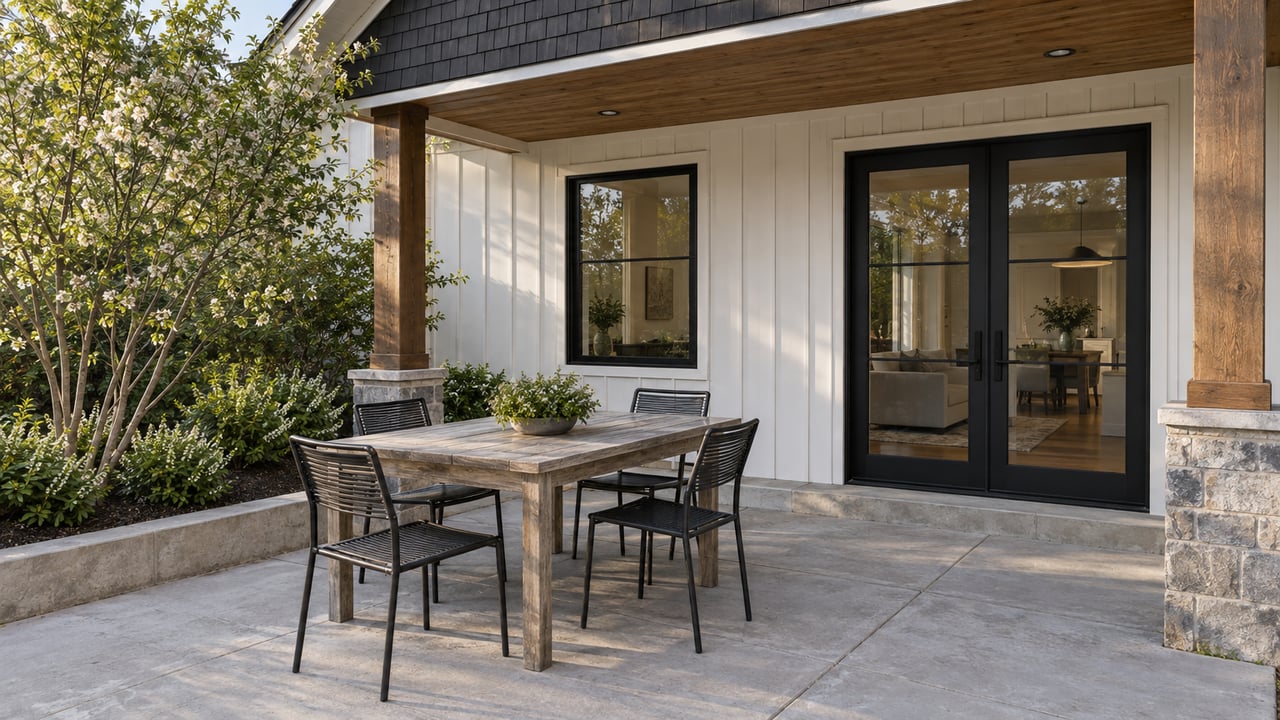
Summer storms can arrive fast, so outdoor prep matters. Secure patio furniture, trim tree limbs that overhang the roof, and inspect the exterior after any major thunderstorm or hail event.
NC State includes roof, siding, windows, trim, and overhanging branches among the key items to inspect regularly. A quick post-storm look can help you catch issues before they lead to leaks.
Your outdoor AC condenser needs airflow to work efficiently. Clear away leaves, grass clippings, and debris so the unit can operate properly during the hottest months.
This is a small task, but it supports cooling performance when your system is working hardest.
Fall is the season to get your home ready for cooler nights and possible early cold snaps. Raleigh’s average first frost usually arrives between October 19 and October 26, and freezes have occurred as early as October 2 in the historical record, according to NC State climate data.
Gutter cleaning is one of the most important fall tasks. If gutters clog, water may spill near the foundation, stain siding, or create moisture problems around the home.
Check them again after major storms or anytime you notice water not draining properly. Downspouts should move water away from the structure, not dump it at the base of the house.
Before colder weather sets in, have the heating system checked and replace HVAC filters. Yearly service is a good baseline, and many homeowners benefit from a spring cooling check and a fall heating check.
A clean system can improve comfort, reduce odors, and support smoother operation through winter.
Drain and store garden hoses, and protect exterior faucets and water lines before freezing temperatures arrive. NC State Extension notes that many North Carolina homes need freeze protection or winter drainage.
This is especially important if you travel during the holidays or tend to forget outdoor plumbing until a cold snap is already here.
If your home has a chimney or fireplace, fall is the right time to inspect it before use. Make sure the area is clean, functional, and ready for cooler evenings.
At the same time, check smoke alarms and carbon monoxide detectors, since heating season is when these safety devices matter most.
Winter in the Triangle is usually milder than in many parts of the country, but freeze events still happen. That means moisture control, pipe protection, and quick follow-up after cold weather all matter.
Keep an eye on exposed plumbing and exterior spigots during cold snaps. Even in central North Carolina, freezing temperatures can damage pipes if they are not protected.
Indoors, watch for condensation on windows or cold walls. Moisture that lingers can lead to staining, mildew, or mold issues over time.
After freeze or ice events, do a visual check of the roofline, flashing, and gutters. Look for loose materials, bent sections, or spots where drainage may be blocked.
Winter damage can stay hidden until the next heavy rain, so a simple inspection can save you trouble later.
NC State recommends testing smoke alarms and carbon monoxide detectors monthly. It is also smart to test GFCIs after electrical storms and continue checking ventilation systems through the winter.
These tasks do not take long, but they support both safety and day-to-day peace of mind.
If you may sell in the next year or two, routine upkeep can support both value and buyer confidence. NC State notes that regular maintenance helps protect your home’s value and can keep smaller issues from becoming larger, more expensive repairs.
Some of the most visible items buyers notice include:
NC State also notes that many housing experts suggest setting aside 1 to 3 percent of market value each year for maintenance and repairs. That can help you plan ahead instead of reacting when something breaks.
If you own a condo or townhome in Placeholder Neighborhood, check your HOA documents before tackling exterior tasks. NC State Extension notes that maintenance responsibility may be divided between the owner and the association.
That means items like roofing, gutters, siding, or landscaping may not always fall on you alone. Knowing the boundaries can help you avoid confusion and budget more accurately.
Because Placeholder Neighborhood is not identified here as a specific verified subdivision, the safest local approach is to plan maintenance around broader Raleigh-Durham seasonal patterns. That means preparing for humid summers, strong storm cycles, and frost risk in mid-fall and early spring.
A simple seasonal checklist can make homeownership feel much more manageable. If you are preparing to buy, sell, downsize, or simply want to protect your investment, staying ahead of maintenance is one of the smartest steps you can take.
If you want local guidance on preparing your home for the market or understanding what buyers tend to notice in Triangle-area homes, Eric Rainey can help you think through the next steps with practical, personalized advice.

DDR Realty are dedicated to helping you find your dream home and assisting with any selling needs you may have. Contact us today to start your home searching journey!