Stuck between a townhome and a single-family house in Placeholder Neighborhood? You are not alone. The right choice comes down to how you want to live, what you want to maintain, and how your monthly budget shakes out once you add HOA dues, insurance, utilities, and a maintenance reserve. In this guide, you will learn how the two options compare in the Triangle market, what to watch in HOAs, how financing can differ, and the key inspection items to prioritize. Let’s dive in.
Start with your Triangle context
If you are exploring Placeholder Neighborhood, know that it is a working page on our site designed to help you compare options near Raleigh, Cary, and greater Wake County. Because the name is a placeholder, you will want neighborhood-level comps before making a decision. A quick way to get those numbers is to request a CMA and HOA summary for the exact subdivision or radius you are targeting on the Placeholder Neighborhood page.
A practical rule for your first conversation: look at the last 12 months of sales for both townhomes and detached homes, compare median price, days on market, price per square foot, and typical HOA dues if applicable. That snapshot will show how each property type performs in the immediate area you care about.
Price anchors and what they mean
Across Wake County and the broader Triangle, townhomes often start at a lower purchase price than detached homes. In many suburban pockets, attached units can run from the low to mid 200,000s up into the 400,000s, with newer or centrally located townhomes reaching the 400,000 to 500,000 range. Detached homes cover a wider band, often from the mid 300,000s into the 800,000s depending on size, age, and proximity to job centers.
These are regional proxies, not a quote for your block. Your actual neighborhood can sit above or below these ranges based on location, build year, upgrades, and lot size. This is why your CMA should break out townhomes versus single-family, then sort by bedrooms, bathrooms, and square footage to give apples-to-apples clarity.
What your monthly cost really looks like
When you compare a townhome to a house, go beyond the mortgage estimate. Map out every ongoing cost so you can see your real monthly number.
- Mortgage and taxes: Use recent neighborhood comps to price your loan scenario and confirm the county tax rate. Many buyers stop here, which is a mistake.
- HOA dues: Townhomes are far more likely to have monthly dues. National analyses show HOA fees are common and rising, with median dues in the mid 100s in many markets. If you pick a townhome, treat the HOA as a fixed part of your housing cost and ask what it covers. You can read more on the rising prevalence of HOA dues in this national analysis.
- Maintenance reserve: For detached homes, a common rule of thumb is to save about 1 percent to 3 percent of the home’s value each year for maintenance. For a 400,000 home, that is 4,000 to 12,000 per year. Townhome owners often spend less on exterior upkeep out of pocket when the HOA maintains roofs, siding, and landscaping, but the HOA fee is the tradeoff. See the Bankrate overview of maintenance budgeting to plan your reserve.
- Insurance: Legal structure matters. Fee simple detached homes typically carry an HO 3 policy that covers the structure and interior. Townhomes may be fee simple or part of a condominium style association. In condo form, the association’s master policy may insure the exterior and structure and you would carry a “walls in” HO 6 policy. Confirm the master policy and owner responsibilities in writing before you choose a property.
- Utilities and energy: Attached homes often benefit from shared walls and less exterior surface, which can lower energy use compared to similarly sized detached homes. An academic review of attached housing shows meaningful energy efficiency benefits when built and insulated well. If available, ask for the HERS index or recent utility bills. For context on energy use in attached homes, see this peer reviewed study on energy performance in attached housing.
HOAs: what they usually cover
Most townhome communities in the Triangle use an HOA. Dues can vary widely based on age, amenities, and the scope of exterior maintenance. Common inclusions are exterior repairs, roof or siding maintenance, master insurance for common elements, landscaping, and amenities like a pool or clubhouse. Trash and private street maintenance show up in some budgets.
Two quick rules to protect yourself:
- Read the declaration and bylaws. Anything not assigned to the HOA is usually the owner’s job. In North Carolina, many planned communities are governed by the NC Planned Community Act, Chapter 47F, which outlines association powers and owner obligations.
- Ask for the HOA’s current budget, reserve study, master insurance declarations page, and minutes from the last three board meetings. You are looking for clarity on what is covered, reserve funding levels, and any signs of pending special assessments.
Lifestyle tradeoffs that matter
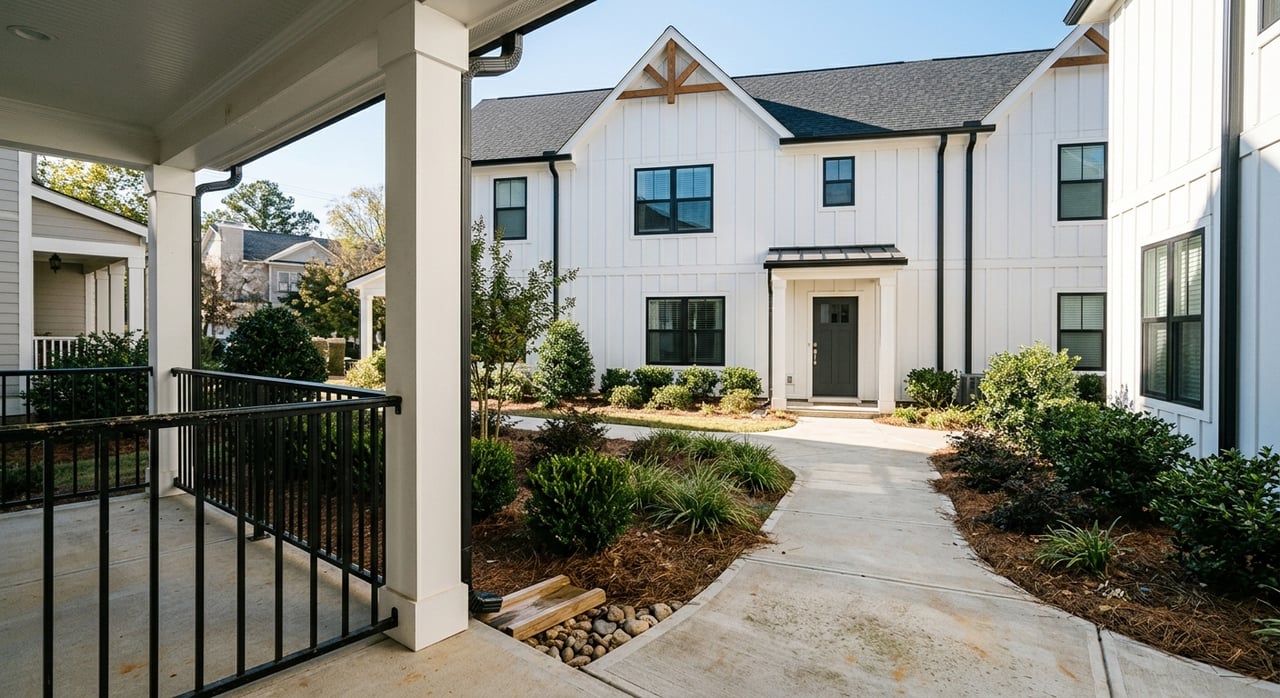
Townhomes often appeal if you want lower direct exterior maintenance, walkable proximity to services in many developments, and a potentially lower entry price. Community amenities like a pool or green space can add value if you plan to use them.
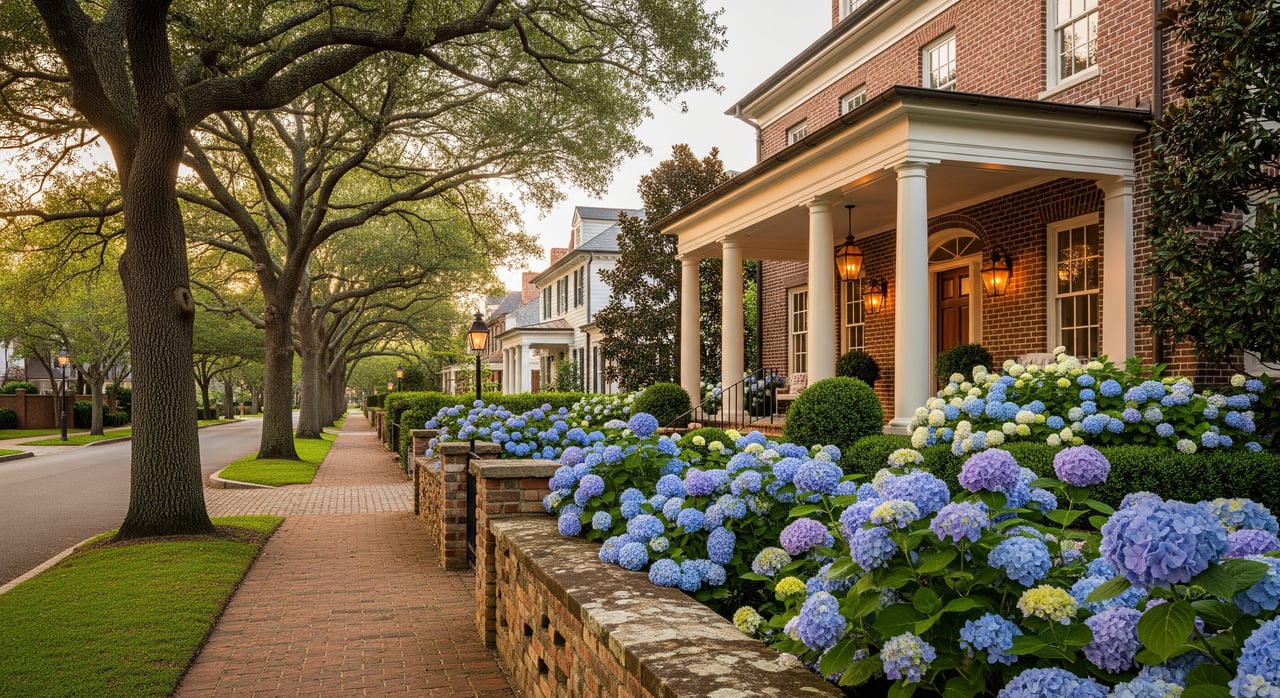
Detached single-family homes appeal if you want more private outdoor space, no shared walls, and flexibility for exterior changes. If you need room for pets, gardens, or future projects like a garage or accessory dwelling unit where allowed by local zoning, a detached home gives you more freedom on your own lot.
Resale and demand patterns
Buyer pools differ by property type and by location. Townhomes often attract first time buyers and downsizers who want less hands on maintenance. Detached homes tend to draw buyers who prioritize privacy, lot size, and expansion potential.
On price trends, national reports show home values rising across many metro areas, including the Triangle. Long run appreciation can differ between property types based on land scarcity and location. Look at your CMA’s 12 month median and price per square foot trends for both types to understand what has been selling faster and at what list to sale ratios. For broader market context on recent price movement, see the NAR quarterly metro home price report.
Financing and insurance details to confirm
- Is the townhome fee simple or a condominium style project? If it is legally a condo, certain loans can require project approval. FHA and some conventional loans need the association to meet project standards, which can affect timelines and loan options. Learn more about FHA project requirements from HUD’s resource hub.
- What does the association’s master insurance policy cover? If the roof and exterior are under the master policy, your personal policy may be a “walls in” plan that covers interiors and personal property. Confirm coverage gaps with your insurance agent.
Inspection priorities by property type
No matter what you buy, a professional inspection is essential. Review the ASHI home inspection checklist to prepare for what a licensed inspector will evaluate.
- For both types: roof age and condition, HVAC systems, electrical panel capacity, water heater, plumbing, grading and drainage around the foundation, visible water damage, and signs of deferred maintenance.
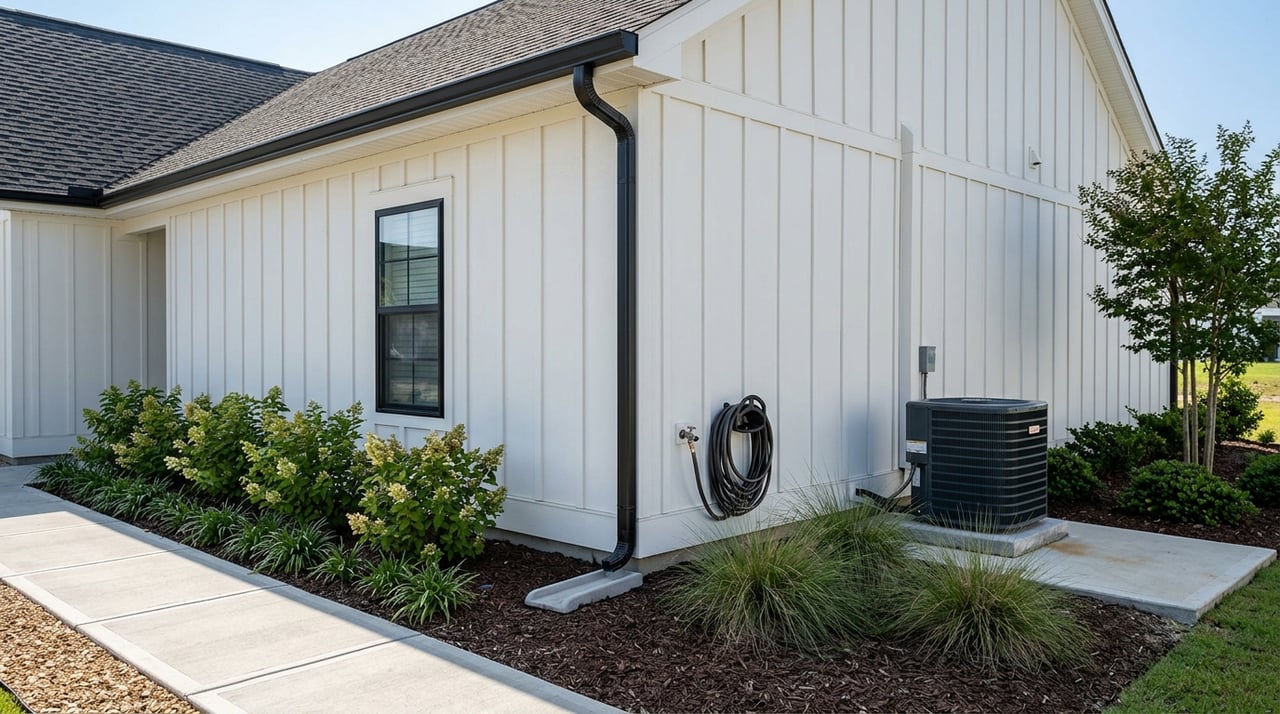
- Townhome specific: party wall integrity and noise transmission, shared roof sections and guttering, water intrusion points where units meet, and clarity on which elements are the owner’s responsibility. Ask whether the HOA has completed recent capital projects and if any special assessments were levied. This overview of HOA maintenance scopes explains how responsibilities are often split.
- Single-family specific: lot drainage away from the foundation, tree proximity and roots, driveway condition, fencing and easements, and potential for future expansion or a detached structure where local rules allow it.
A simple decision checklist
Use this quick test as you compare homes you like.
- Time vs chores: Are you comfortable paying an HOA every month to reduce exterior maintenance? If yes, a townhome can fit. If you prefer full control and do not mind yard care, a detached home may be better.
- Privacy and outdoor space: Do you need a private yard, more space for pets, or no shared walls? Detached homes usually win here.
- Budget truth test: Add up mortgage, property tax, insurance, HOA dues if any, and a maintenance reserve based on the 1 percent to 3 percent rule from Bankrate’s guidance. Compare the total monthly number, not just the mortgage.
- Resale fit: Ask for a 12 month CMA broken out by property type to see days on market and sale to list trends for your target subdivision. The faster seller with the deeper buyer pool in your area can indicate lower future friction if you plan to move again.
Your next steps in Placeholder Neighborhood
If you are leaning townhome or detached but want clarity on true monthly cost and resale strength, get local data on the exact streets you are targeting. Request a neighborhood CMA, recent HOA budgets and reserve summaries where applicable, and example utility bills if sellers can provide them. You can start a focused search and request a CMA on the Placeholder Neighborhood page, then fine tune by beds, baths, square footage, and HOA coverage.
When you are ready to compare listings side by side, we are here to help you weigh the tradeoffs with calm, practical guidance.
Ready to run the numbers and tour both options with a local expert? Call or schedule a free consultation with Eric Rainey to get a tailored plan.
FAQs
What costs should I compare for a townhome vs house in Placeholder Neighborhood?
- Add mortgage, property tax, insurance type, HOA dues, a 1 percent to 3 percent annual maintenance reserve, and estimated utilities to see your true monthly number.
How do HOA rules affect daily life in a Triangle townhome?
- HOAs often handle exterior care and amenities, but you agree to rules on exteriors, parking, pets, and rentals, so review the declaration, bylaws, budget, and reserve study before buying.
Can I use FHA financing for a Triangle townhome?
- Yes in many cases, but if the townhome is part of a condominium style project, FHA may require project approval, so confirm status early using guidance from HUD and your lender.
Do townhomes usually have lower energy bills than detached homes?
- Often yes, because shared walls reduce heat loss and gain, though build quality matters, so request the HERS index or recent utility bills to compare specific homes.
What should I prioritize in inspections for each property type?
- For both, focus on roof, HVAC, electrical, plumbing, drainage, and water intrusion; add party wall and shared roof checks for townhomes and lot grading, trees, and expansion potential for detached homes.