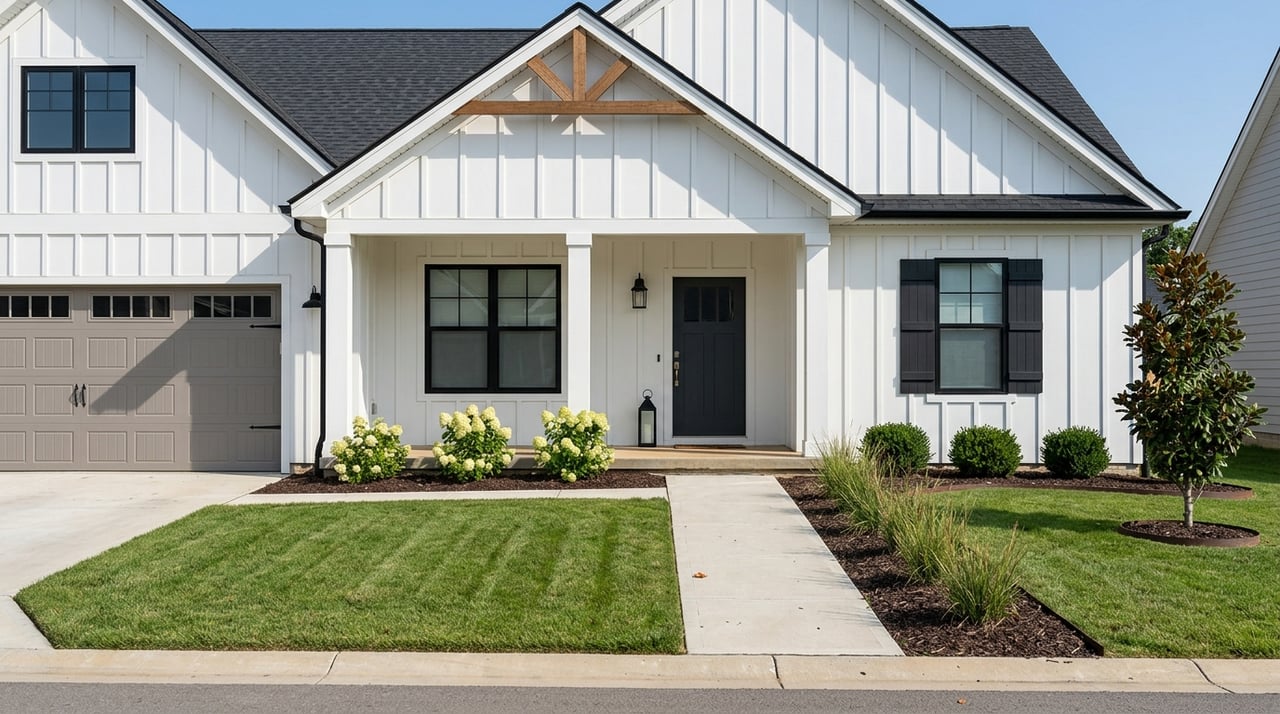
A Guide to Home Styles in Placeholder Neighborhood
June 4, 2026
June 4, 2026
If you are exploring homes in Placeholder Neighborhood, one of the first questions you may have is simple: what kind of homes are actually here? That is an important question, especially because Placeholder Neighborhood is a working label rather than a map-verified subdivision name. The current sample inventory gives you a helpful look at the types of properties you may find, and this guide will walk you through the home styles, sizes, and features that stand out most. Let’s dive in.
Before you focus on architecture alone, it helps to understand what Placeholder Neighborhood means in practice. Based on DDR Realty’s guidance, Placeholder Neighborhood is a placeholder page, so the exact search boundary should be cross-checked with MLS data or official maps before you make decisions.
That matters because the current inventory appears concentrated in Cary and Raleigh, and the listings visible now lean heavily toward detached single-family homes. The page also allows searches for property types like condos, townhouses, multi-family, land, and commercial real estate, but the visible sample does not show a broad mix inside the exact placeholder area.
The clearest pattern in the current sample is that detached homes dominate the listings. These homes also lean upscale, with large footprints, generous lot sizes, and custom details that are common in luxury and upper-bracket homes.
For easy reference, the visible detached-home sample ranges from about 4,124 to 9,692 square feet. Build years span from 1998 to 2026, and lot sizes range from 0.18 acres to 7.95 acres, which creates a mix of older estate-style homes, newer infill construction, and larger-lot luxury properties.
If you are looking in this area, you are more likely to see:
That does not mean every home will fit that pattern. It does mean the current sample skews toward spacious, high-end housing rather than entry-level inventory.
One of the strongest style categories in the current sample is the estate-style home. These properties tend to sit on larger lots and offer a more traditional luxury feel, often with formal and informal living spaces, larger garages, and outdoor settings that add privacy or visual appeal.
A good example is a 1998 home on Pond Bluff Way with 1.24 acres and a total 7-car garage. Its listing highlights classic curb appeal, formal and casual living areas, a sunroom, a balcony off the primary suite, and a water-view setting.
Another clear large-lot example is Anna Lake Lane, with 9,692 square feet on 7.95 acres and a 2006 build year. Even without a formal style label, that size and lot depth place it firmly in the estate and luxury category.
In this sample, estate-style homes may include:
If you want space, privacy, and a home that feels established, this is one of the strongest style matches in the current inventory.
The other major theme is newer construction and infill development. Several homes in Cary point to a more modern luxury product, especially on smaller lots closer to established areas.
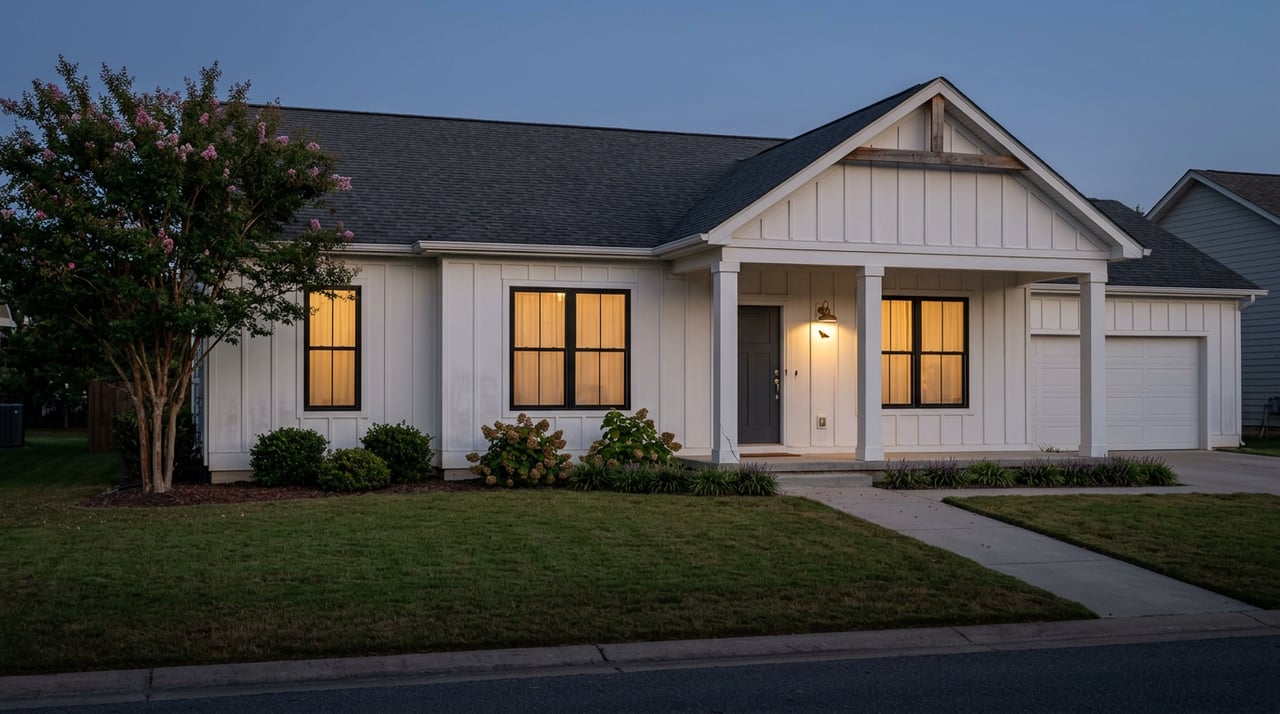
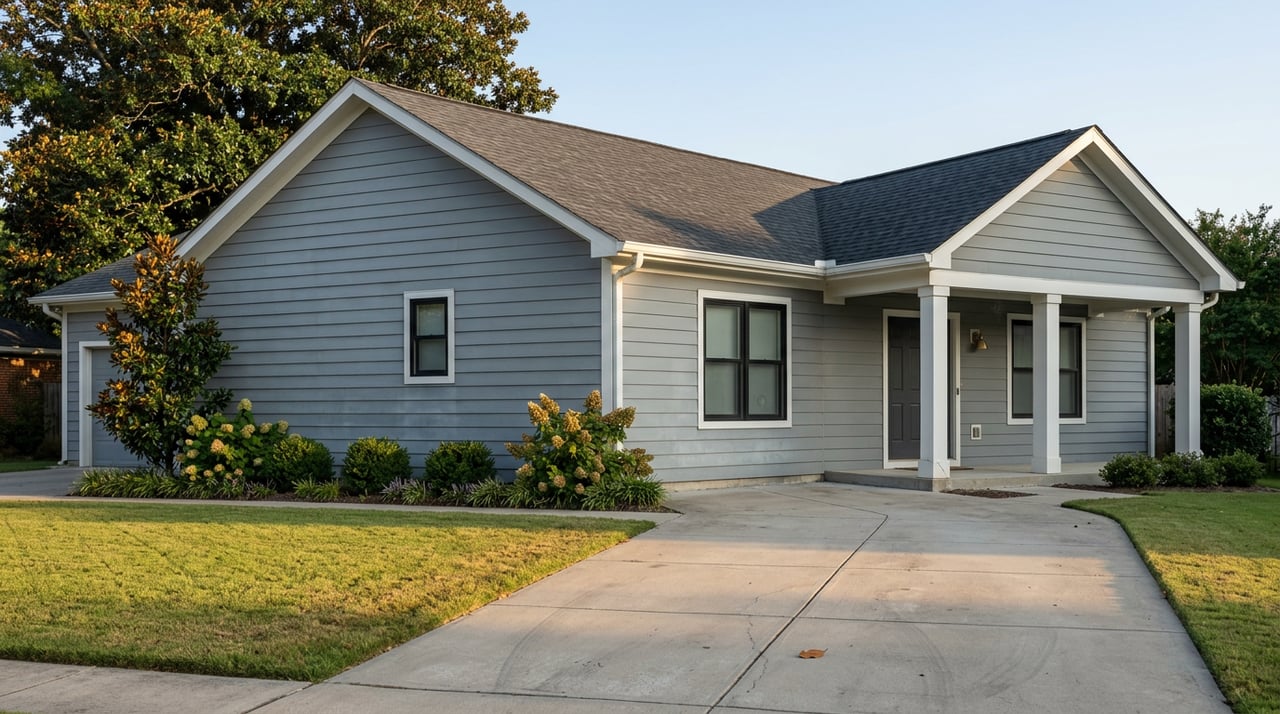
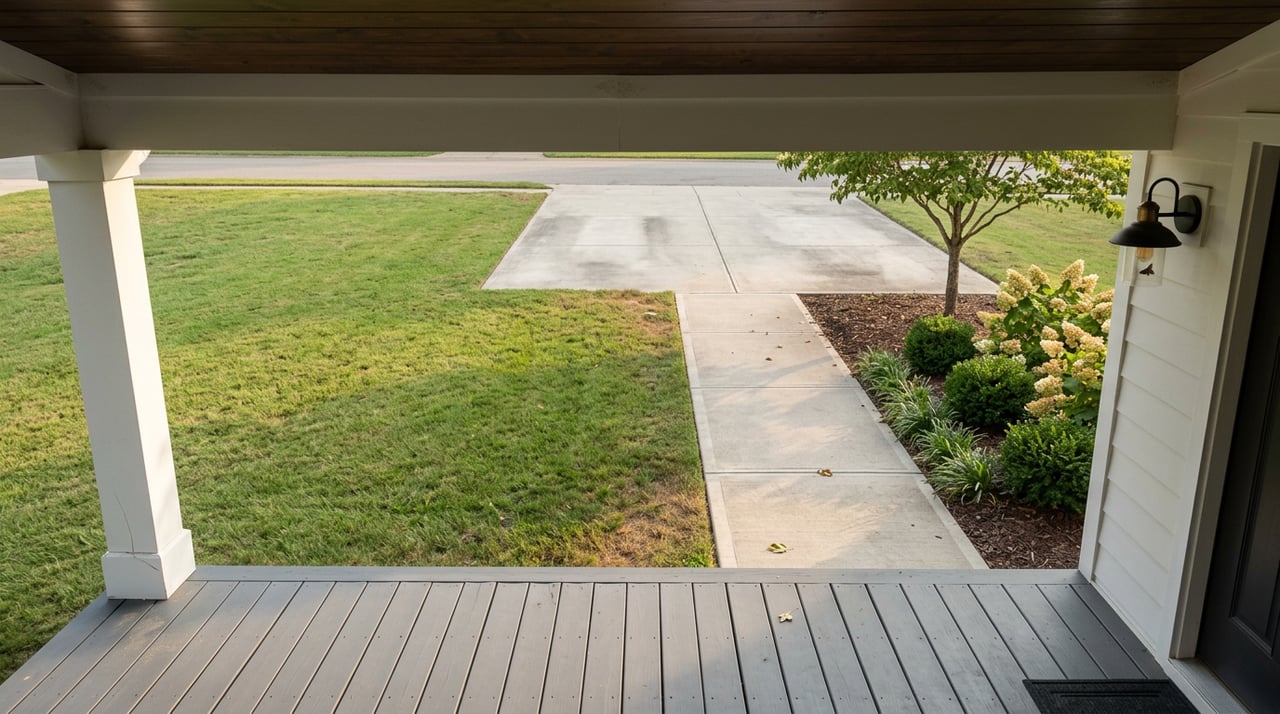
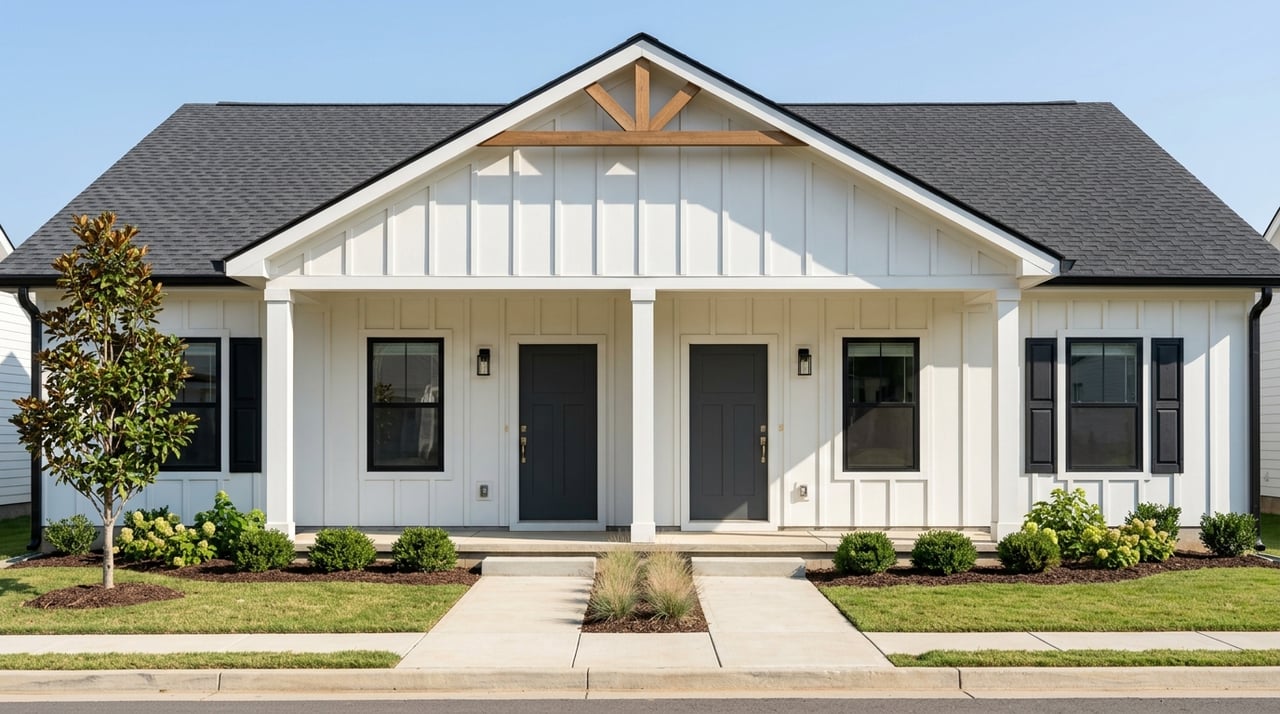
Listings such as Fairview Road, Webster Street, and Warren Avenue are 2026 single-family homes on roughly quarter-acre lots. These homes are described with clean lines, warm wood accents, large windows, and modern interpretations of classic Cary design.
This gives the inventory a different kind of appeal. Instead of estate scale and legacy lots, these homes offer newer finishes, fresh floor plans, and design-forward details in a more compact footprint.
Based on the sample, newer homes may feature:
One especially helpful example is Warren Avenue, which includes two first-floor bedrooms, including the main bedroom, along with an open layout, separate scullery, screened porch with fireplace, upstairs storage, and a recreation room. That kind of floor plan can appeal to buyers who want room to spread out without giving up a modern layout.
Not every newer home in the sample reads as traditional or farmhouse-inspired. Some listings point to a more custom-modern style with bold architectural features and a stronger design statement.
One example is Pleasants Avenue, where the listing highlights a pivot-door entry, floating white-oak staircase, glass railings, a private office, and a drop-zone layout. Those details suggest that if your taste runs more contemporary, you may still find options that feel distinctive and highly customized.
This is a useful reminder if you are searching by style rather than just price or square footage. Even within a luxury-heavy inventory, the design language can vary from classic estate to transitional to full custom-modern.
Size is one of the most consistent themes across the visible listings. Detached homes in the current sample are notably larger than what many buyers expect in a typical suburban search.
A practical sizing range for the detached sample is about 4,100 to 9,700 square feet. For many buyers, that means more room for home offices, guest suites, recreation spaces, storage, and larger entertaining areas.
| Home type | Approximate size range | Notes |
|---|---|---|
| Detached homes | 4,124 to 9,692 sq. ft. | Current visible sample skews luxury and large-footprint |
| Nearby townhomes | 2,100 to 2,400 sq. ft. | Mentioned as broader-area examples, not confirmed inside exact boundary |
If you are trying to narrow your options, this size difference is helpful. It shows that the current Placeholder Neighborhood sample leans much more toward expansive detached homes than compact attached housing.
It is important to be precise here. The visible Placeholder Neighborhood sample does not currently show a townhome, so it would be inaccurate to say attached homes are clearly part of the exact inventory inside the placeholder boundary.
That said, nearby Triangle examples can help you understand the kind of attached housing you may encounter if your search expands. Nearby townhomes in Cary and Raleigh show a different profile, usually around 2,100 to 2,400 square feet, often with 3 to 4 bedrooms and multi-level layouts.
A typical example includes high ceilings, kitchen islands, quartz counters, walk-in closets, and one shared wall. Other nearby townhomes follow a common three-story pattern with a first-floor garage and bedroom, a main living level above, and upper-level bedrooms.
You may want to include townhomes in your search if you prefer:
The key is to verify whether a specific townhome community falls inside the area you actually want to target.
The current sample also suggests that land use is not one-size-fits-all. Some homes sit on modest lots around 0.18 acres, while others stretch to several acres.
That range can shape both your lifestyle and your buying strategy. A smaller lot may support a newer infill home with updated finishes and less yard upkeep, while a larger parcel may appeal if you want privacy, outdoor space, or a legacy property feel.
There are also nearby land-only redevelopment parcels in the broader area, which helps explain why you may see a mix of completed luxury homes, tear-down potential, and buildable lots. If you are considering value over time, the lot itself may be just as important as the house currently on it.
One easy mistake buyers make is assuming every home in an area shares the same HOA setup. In this case, the research suggests that HOA status and dues vary by property.
For example, some nearby listings show no HOA dues, while one estate-style home shows a modest monthly HOA and a nearby townhome example shows a much higher monthly amount. That means you should evaluate HOA details on a home-by-home basis instead of assuming they come with the neighborhood label.
When you find a home you like, ask about:
That information can affect both your budget and how you plan to use the property.
The best home style depends on how you want to live day to day. If you want privacy, presence, and room to grow, estate-style homes may be the strongest fit. If you want current finishes, flexible layouts, and a more modern feel, newer infill construction may be more appealing.
It also helps to think beyond looks alone. Square footage, lot size, garage capacity, bedroom placement, and whether the home includes features like a first-floor primary suite or screened porch can matter just as much as the exterior style.
A smart search usually starts with a few practical questions:
Because Placeholder Neighborhood is a working label, that last question is especially important. Getting the geography right can save you time and help you compare the right properties from the start.
If you want help sorting through the current inventory, comparing home styles, or confirming which listings truly match your target area, Eric Rainey can help you refine your search with local guidance and a practical, hands-on approach.
DDR Realty are dedicated to helping you find your dream home and assisting with any selling needs you may have. Contact us today to start your home searching journey!