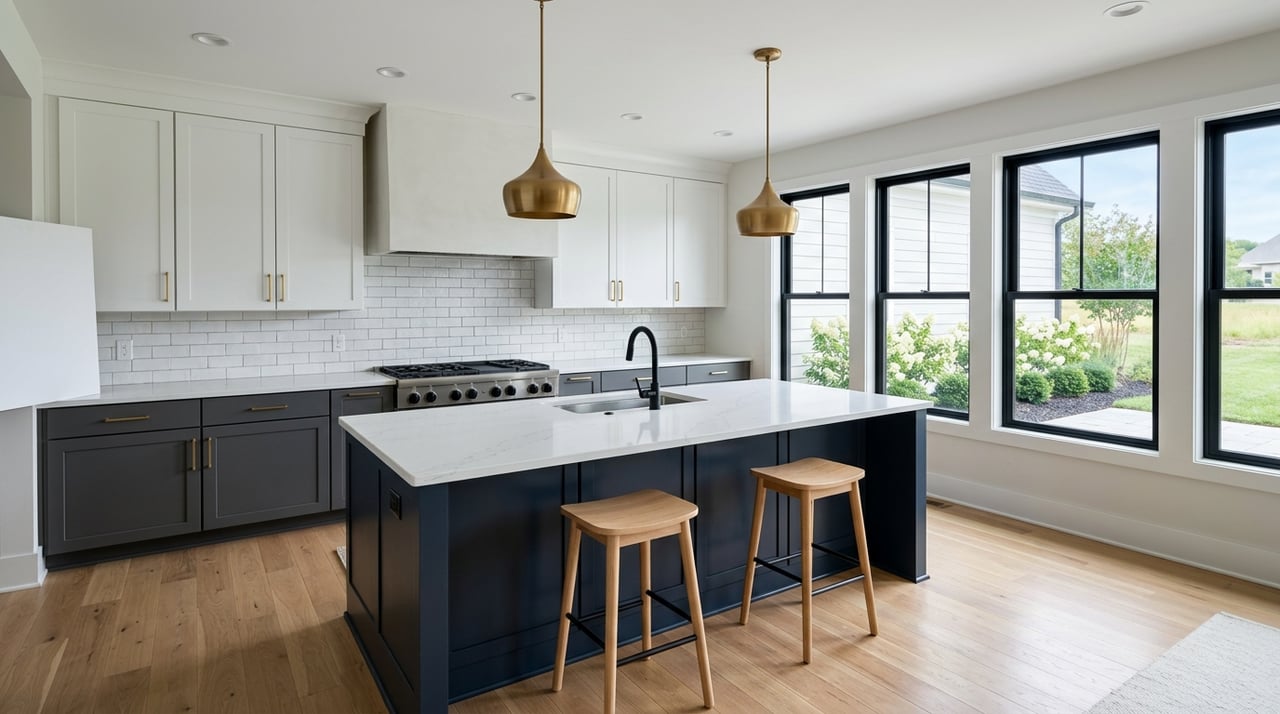
Remodel or Move in Placeholder Neighborhood? Weigh Your Options
June 25, 2026
June 25, 2026
Are you staring at your current home and wondering whether a remodel will fix what no longer works, or if it is finally time to move? That question is especially common in today’s Triangle market, where buyers have more choices than they did a few years ago, but higher borrowing costs still make every decision feel bigger. If you live in Placeholder Neighborhood or are comparing nearby Wake County, Raleigh, or Cary options, this guide will help you weigh cost, lifestyle, and resale impact so you can make a confident next step. Let’s dive in.
Before you price out a kitchen upgrade or start browsing listings, get clear on what is driving your decision. In many cases, the answer is not really about the house itself. It is about how well your home fits your life today.
If your home is in the right area and the main issue is layout, storage, finishes, or aging features, remodeling may be the smarter path. If you need a different amount of space, a better floor plan, or a change in location, moving often makes more sense.
That difference matters in the current local market. Across the Triangle, 2026 has been described as more balanced and more strategic than the fast-moving frenzy years, which means you likely have more room to think carefully instead of rushing into a decision.
Because Placeholder Neighborhood is not a verified neighborhood name, the best local comparison comes from Wake County, Raleigh, Cary, and the broader Triangle. Those nearby markets show softer year-over-year pricing and healthier inventory than the pandemic boom years.
Wake County’s typical home value is reported at $482,888, down 2.2% year over year, with 4,393 homes for sale. Raleigh’s recent median sale price is $424,746, down 2.4% year over year, while Cary’s typical home value is $631,046, down 2.0% year over year, with 528 homes for sale and a median sale price of $571,333.
Market pace also varies by area. Raleigh homes are averaging about two offers and selling in around 34 days, while Cary homes are going pending much faster, around eight days by one measure. The exact numbers come from different sources and time frames, but together they suggest a market where inventory has improved and buyers have more breathing room.
For homeowners deciding whether to remodel or move, that creates an important tradeoff. You may have more options if you choose to buy, but the monthly payment on your next home could still rise sharply because the average 30-year fixed mortgage rate was 6.47% on June 18, 2026.
Remodeling usually works best when you like where you live and the home’s biggest problems are functional or cosmetic. If your commute works, your daily routine works, and your lot or location still fit your goals, updating the home you already own can be less disruptive than starting over.
This can be especially true in a more balanced market. Instead of stretching into a much larger mortgage, you may be able to improve how your current home lives and still protect your budget.
Another reason to remodel is when your project is targeted and broadly appealing. Projects that improve first impressions, everyday use, or visible wear often do better than highly customized overhauls.
According to the 2025 Cost vs. Value report, some of the strongest resale-friendly projects are exterior and practical updates. These projects tend to appeal to a wide range of buyers and often make a home feel more cared for from the start.
Top resale-leaning examples include:
These projects outperformed many large-scale interior upgrades in cost recovery. That does not mean bigger renovations are bad. It means you should be honest about whether you are renovating for future resale, your own enjoyment, or both.
Not every smart remodel needs to be justified by resale math alone. Some projects improve your day-to-day life enough to be worth it even if they do not deliver the strongest payback.
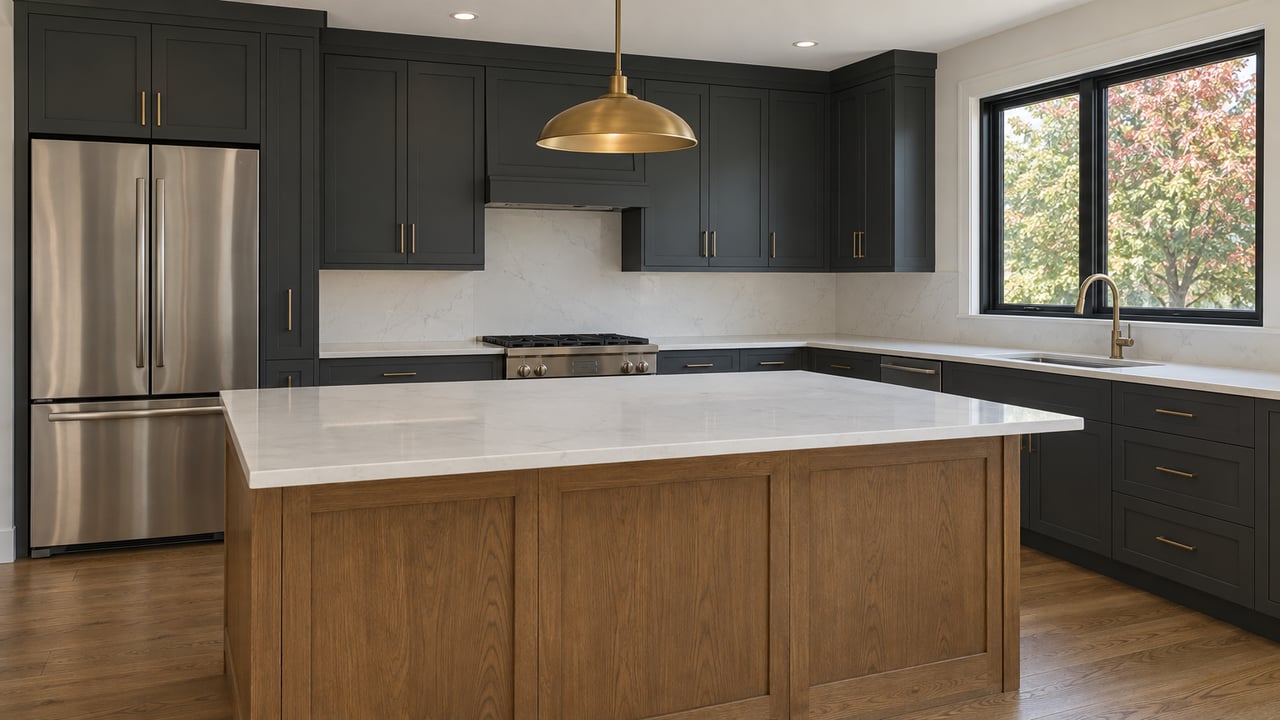
The 2025 Remodeling Impact Report found high homeowner satisfaction for a new primary bedroom suite, a kitchen upgrade, and new roofing. If your current home already checks most of your boxes, a lifestyle-focused renovation can be the upgrade that helps you stay put longer and enjoy your space more.
The bigger and more personalized the remodel, the more careful you should be. Complex interior renovations and major additions often have lower return because they reflect one owner’s tastes and needs more than broad buyer demand.
For example, an upscale primary suite addition may solve a real problem for your household. But if you are thinking about resale within a shorter time frame, that type of project should be viewed more as a lifestyle choice than a pure investment strategy.
Sometimes a remodel is simply not enough. If the issue is not finishes but fundamental fit, moving is often the clearer answer.
That may be true if you need more bedrooms, a different floor plan, less maintenance, a first-floor living setup, or a better location for work and daily routines. If the home cannot realistically adapt to your next stage of life, remodeling may only delay a larger decision.
Moving can also make sense when the project scope is too large or too expensive for the value it adds. If you would need to rework major systems, add substantial square footage, or make highly customized changes, the cost and disruption can outweigh the benefit.
One of the biggest surprises for homeowners is how much more the next payment may be, even in a softer market. Price differences across nearby submarkets can be significant.
For example, Cary pricing sits well above Raleigh’s recent median sale price and above broader Wake County pricing. So even if you stay within the same general area, a move-up purchase may create a much larger monthly jump than expected.
That is why this decision is not just about whether you can find another home. It is about whether the added payment is worth the gain in space, layout, convenience, or features.
More inventory and more negotiating room can help buyers, but moving is not friction-free. If you sell, you may need stronger pricing, cleaner presentation, and a more thoughtful plan than sellers needed during the peak frenzy years.
In other words, today’s market can support a move, but it rewards preparation. If you need to buy and sell at the same time, timing matters even more.
If you are stuck between remodeling and moving, start with a few simple questions. Your answers will usually point you in the right direction.
If most of your answers point toward comfort in the current location and fixable house issues, remodeling may be the better fit. If your answers point toward space limits, layout problems, or life-stage changes, moving may be the cleaner long-term decision.
If you are leaning toward moving, do not assume you need a major renovation before listing. In many cases, smaller, visible updates are the better use of time and money.
The remodeling data most often points to practical improvements that help a home show well without overbuilding for the market. Realtor recommendations in the 2025 Remodeling Impact Report most often included painting the entire home, painting one room, and replacing an aging roof before listing.
That matters because buyers notice condition quickly. Clean, simple improvements can help your home feel more move-in ready without turning your pre-sale plan into a full construction project.
If remodeling is your preferred path, financing deserves careful attention. Homeowners with equity often consider either a home equity line of credit or a home equity loan.
A HELOC is a revolving line of credit backed by your home equity, while a home equity loan is typically a fixed-rate lump sum. Consumer guidance notes that HELOC payments can change over time, so the payment needs to stay manageable within your household budget.
There are also renovation financing options for eligible updates, including Fannie Mae’s HomeStyle Renovation and HomeStyle Refresh programs. The key is to compare financing costs against the benefit of staying, especially in a market where local values are slightly down year over year.
If your home in Placeholder Neighborhood is basically the right home in the right place, a targeted remodel may give you the best balance of cost, comfort, and flexibility. If the house no longer fits your life in a deeper way, moving may save you from spending heavily on a home that still falls short.
The good news is that today’s Triangle market gives you room to be thoughtful. You do not have to guess your way through the choice. With clear numbers, realistic project planning, and a good understanding of your next payment, you can decide based on what truly serves you now and later.
If you want help comparing your remodel idea against the real cost of moving in the Triangle, Eric Rainey can walk you through your options with practical, local guidance.
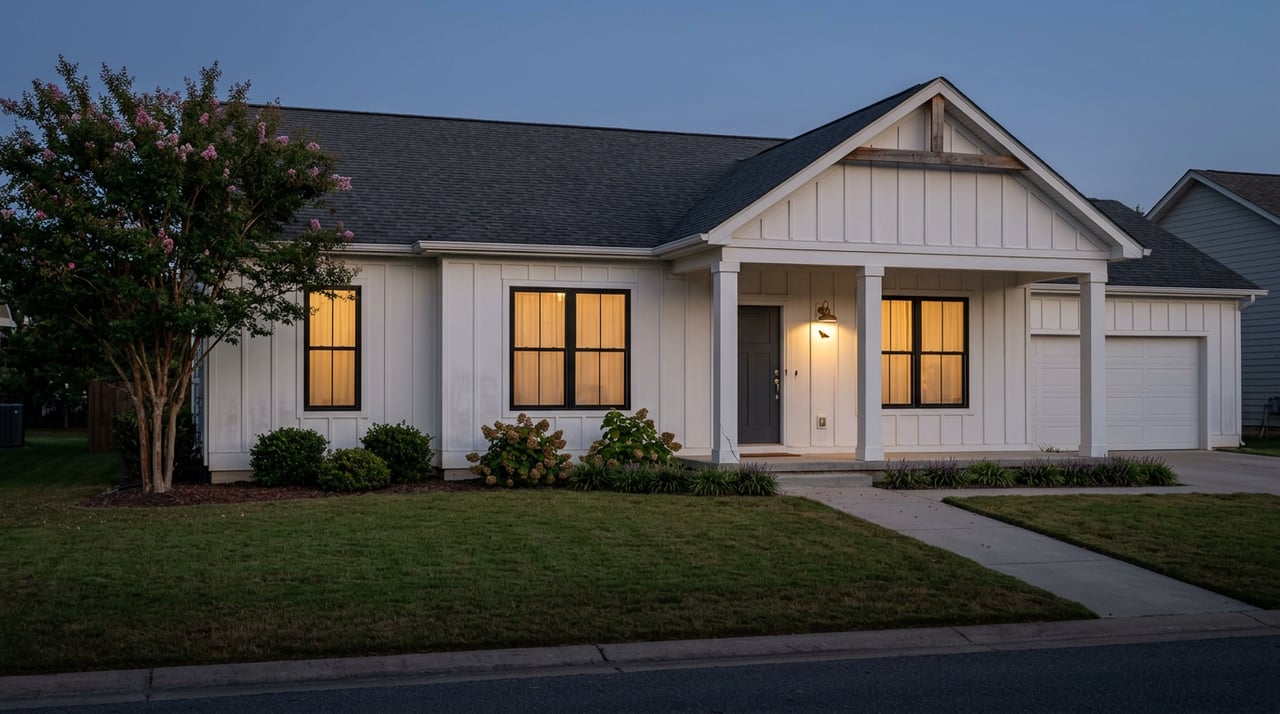
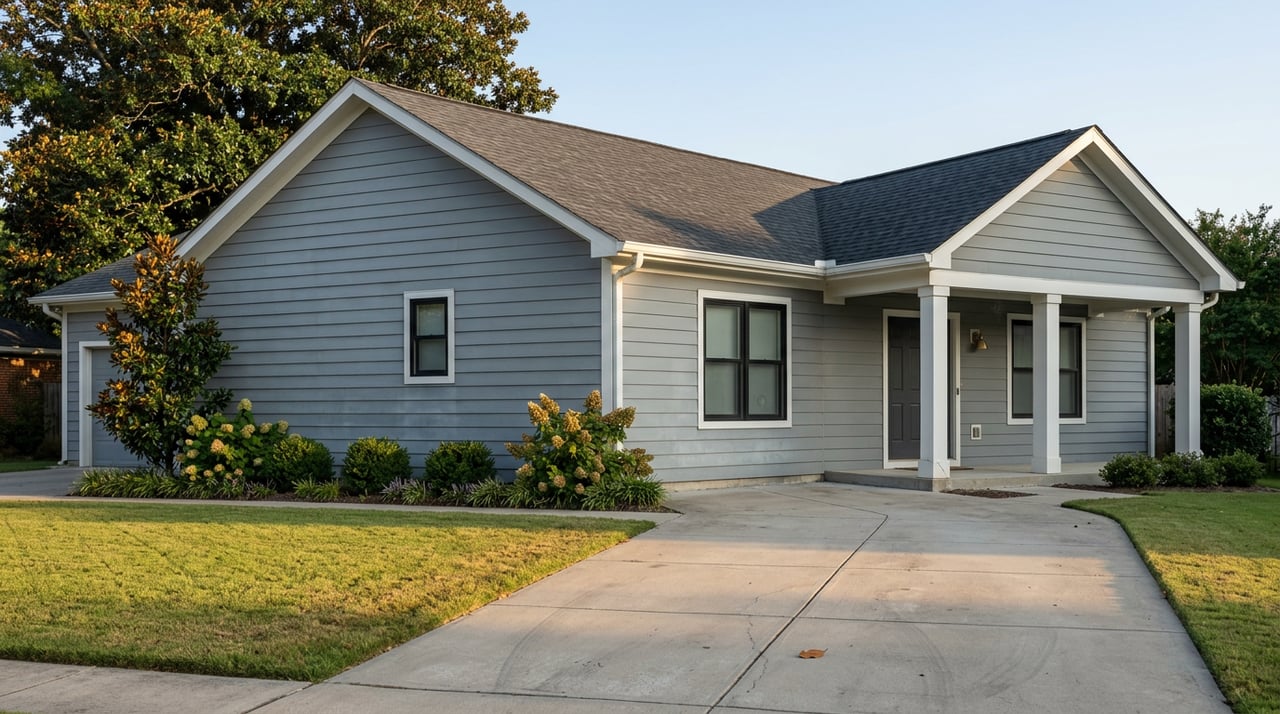
DDR Realty are dedicated to helping you find your dream home and assisting with any selling needs you may have. Contact us today to start your home searching journey!